

Introduction
Trump tariff news continues to shape global trade discussions, financial markets, and international economic relations. Trade tariffs introduced under Donald Trump significantly influenced global commerce, supply chains, and diplomatic ties. These policies aimed to protect domestic industries, reduce trade deficits, and promote local manufacturing, but they also triggered economic debates and international responses.
In recent years, trump tariff news has remained a major topic in global economic discussions, particularly concerning trade relations with China, the European Union, and other international partners. Businesses, investors, and policymakers closely monitor these developments due to their impact on prices, employment, and economic growth.
This detailed blog explores the background, impact, benefits, controversies, and future implications of trump tariff news while analyzing its effects on global trade and domestic markets.
What Are Tariffs and Why They Matter
Tariffs are taxes imposed on imported goods by governments to regulate trade, protect domestic industries, and generate revenue. Tariffs can increase the cost of foreign products, encouraging consumers to purchase locally manufactured alternatives.
Key Purposes of Tariffs
-
Protect domestic industries from foreign competition
-
Reduce trade deficits
-
Encourage local manufacturing
-
Generate government revenue
-
Influence trade negotiations
Trump tariff news frequently highlights how tariffs reshape trade relationships and global supply chains.
Background of Trump Tariff Policies
Trump’s economic strategy focused on an “America First” approach. His administration argued that previous trade agreements disadvantaged U.S. industries and workers. As a result, tariffs were introduced on various imports, particularly from China.
Major Trade Actions
-
Tariffs on steel and aluminum imports
-
Increased duties on Chinese goods
-
Renegotiation of trade agreements
-
Trade dispute escalation with China
These actions became central elements of trump tariff news coverage worldwide.
Key Trump Tariffs and Their Impact

1. Steel and Aluminum Tariffs
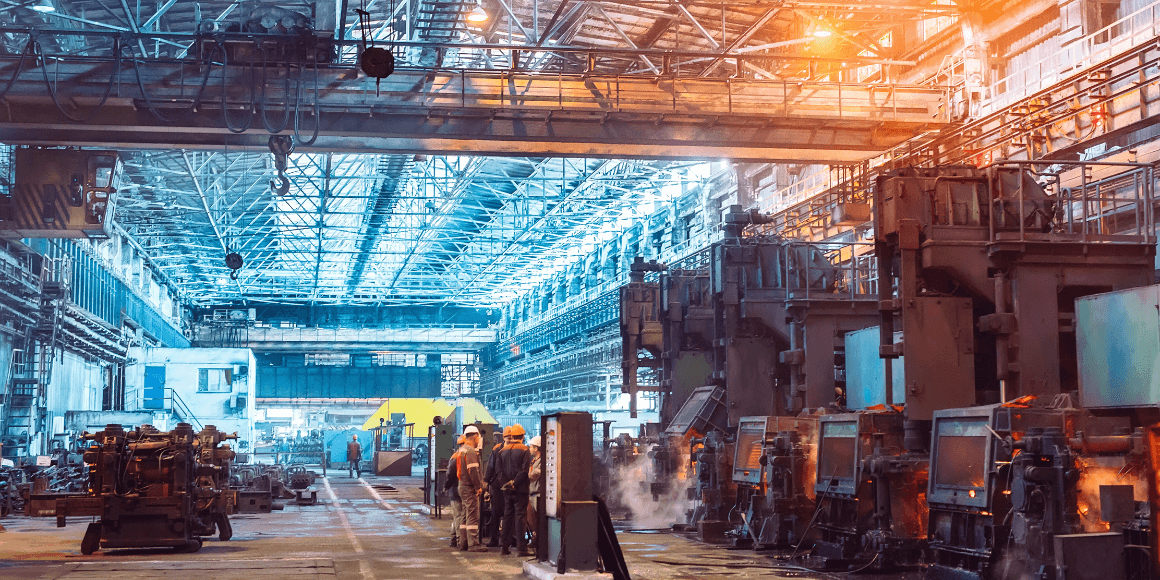
The U.S. imposed tariffs on imported steel and aluminum to support domestic production. While local industries benefited, critics argued that manufacturing costs increased.
2. China Trade Tariffs
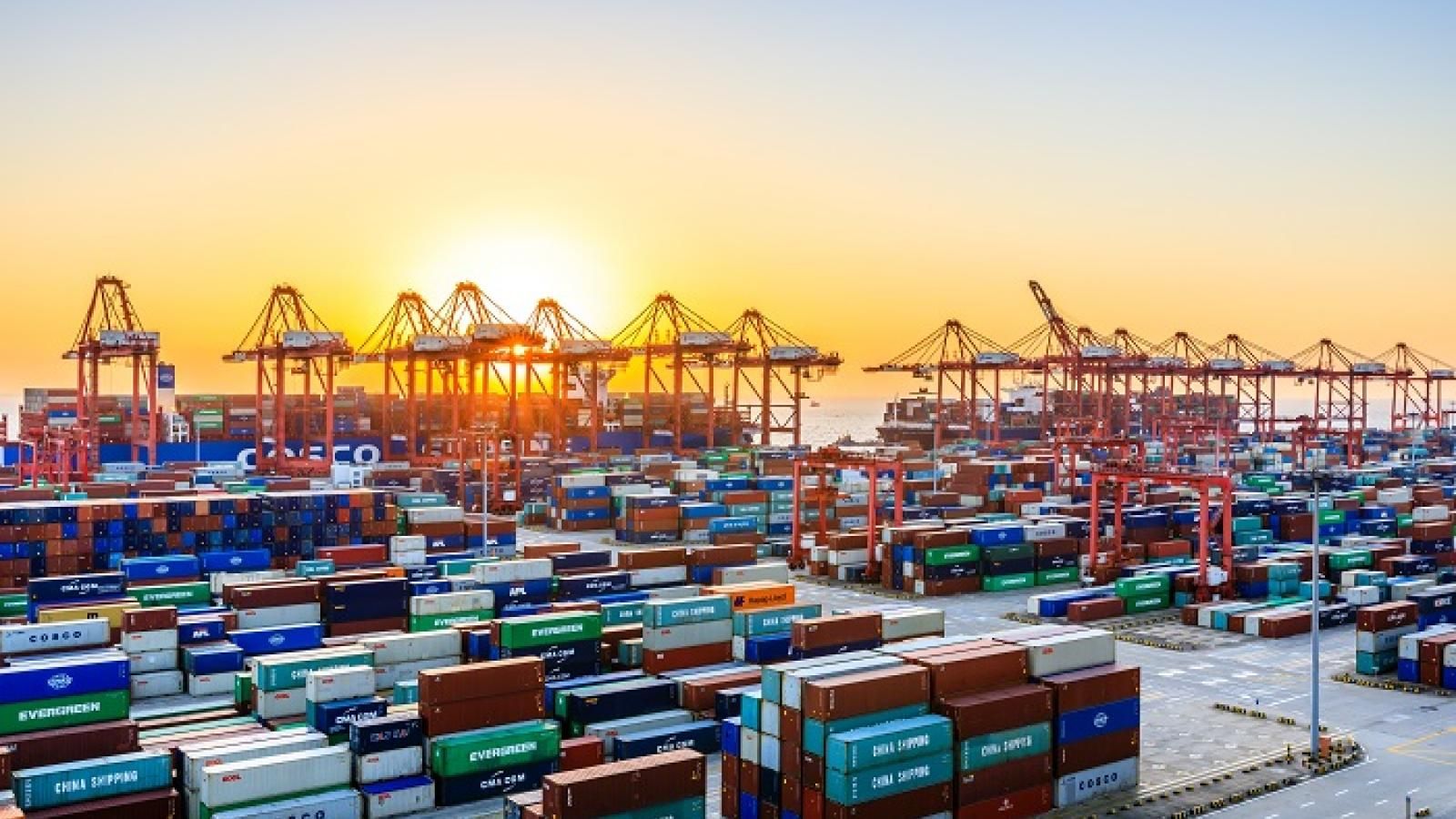
Tariffs on Chinese imports formed a major part of trump tariff news. The policy aimed to reduce the trade deficit and address intellectual property concerns.
3. Technology and Industrial Goods
Technology products and industrial components faced increased duties, affecting supply chains and production costs.
4. Agricultural Trade Effects
Tariffs led to retaliatory measures from other countries, impacting agricultural exports and farmers.
Major Trump Tariff Policies and Effects
| Tariff Category | Targeted Goods | Objective | Impact |
|---|---|---|---|
| Steel Tariffs | Imported steel | Support domestic production | Higher manufacturing costs |
| Aluminum Tariffs | Imported aluminum | Protect industry | Increased product prices |
| China Tariffs | Electronics, machinery | Reduce trade deficit | Trade tensions increased |
| Industrial Tariffs | Technology components | Boost local production | Supply chain disruptions |
| Trade Negotiations | Multiple sectors | Renegotiate agreements | Global economic uncertainty |
This table summarizes key highlights frequently discussed in trump tariff news analysis.
Economic Impact of Trump Tariff News
1. Impact on Domestic Industries
Some U.S. industries experienced growth due to reduced foreign competition. Steel and manufacturing sectors saw increased demand.
2. Consumer Price Changes
Higher import costs often resulted in increased prices for goods, affecting consumer spending.
3. Employment Effects
Tariffs aimed to boost job creation in manufacturing, though some sectors experienced job losses due to higher costs.
4. Market Volatility
Financial markets responded strongly to trump tariff news announcements, reflecting investor uncertainty.
Global Trade Reactions


China’s Response
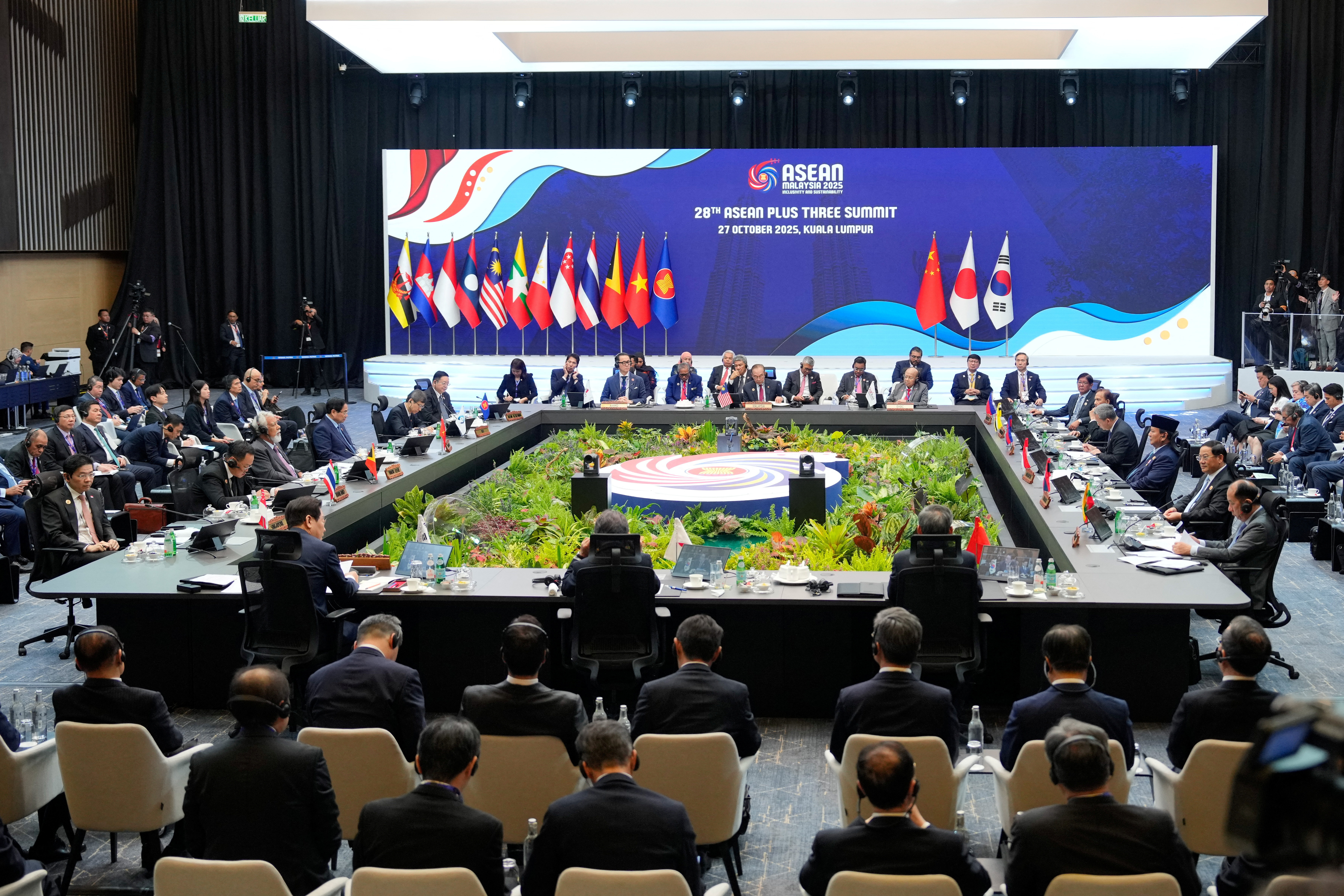
China imposed retaliatory tariffs on U.S. goods, escalating trade tensions and impacting global markets.
European Union Response
The EU introduced countermeasures affecting American exports.
Global Supply Chain Shifts
Companies diversified manufacturing locations to reduce tariff impact.
These developments ensured trump tariff news remained a central global economic topic.
Advantages of Trump Tariff Policies
Supporters argue that tariff policies provided several benefits.
Economic Protection
Domestic industries gained protection from foreign competition.
Trade Negotiation Power
Tariffs strengthened bargaining positions in trade agreements.
Local Manufacturing Growth
Some industries increased domestic production.
Reduced Trade Deficit Goals
Policies aimed to balance international trade.
Trump tariff news coverage often highlights these potential advantages.
Criticism and Controversies
Despite benefits, tariffs also attracted criticism.
Higher Consumer Costs
Increased import prices affected households.
Trade War Risks
Tariffs triggered retaliatory actions.
Business Uncertainty
Companies faced planning challenges.
Global Economic Slowdown Concerns
Trade tensions affected international growth forecasts.
Critics frequently cite these concerns in trump tariff news discussions.
Impact on Businesses and Industries
Manufacturing Sector
Manufacturers experienced both benefits and cost challenges.
Technology Industry
Technology companies faced higher component costs.
Agricultural Sector
Farmers experienced export difficulties due to retaliation.
Retail and Consumer Goods
Retail prices fluctuated due to import cost increases.
These industry effects remain a major focus in trump tariff news analysis.
Trump Tariff News and Financial Markets
Financial markets respond rapidly to tariff announcements.
Stock Market Reaction
Market volatility often follows tariff policy updates.
Currency Value Changes
Trade tensions influence currency fluctuations.
Investment Strategy Adjustments
Businesses adapt strategies based on tariff developments.
Investors closely monitor trump tariff news for economic forecasting.
Policy Goals Behind Trump Tariffs
The administration pursued several long-term objectives.
-
Encourage domestic manufacturing
-
Strengthen national economic security
-
Address intellectual property concerns
-
Reduce reliance on foreign production
-
Restructure global trade relationships
These goals shaped trump tariff news narratives globally.
Future Outlook of Trump Tariff News


Possible Policy Changes
Future administrations may revise or expand tariffs.
Trade Agreement Negotiations
New agreements could reshape tariff structures.
Supply Chain Adjustments
Businesses may continue diversifying production locations.
Global Economic Trends
Economic shifts will influence trade strategies.
Trump tariff news will likely remain relevant in economic discussions.
What is Trump tariff news?
Trump tariff news refers to updates, policies, and economic developments related to trade tariffs introduced during Donald Trump’s administration, focusing on global trade impact and economic effects.
Why were Trump tariffs introduced?
They were introduced to protect domestic industries, reduce trade deficits, and strengthen trade negotiations.
How did tariffs affect global trade?
Tariffs increased trade tensions, influenced supply chains, and caused international economic adjustments.
Who was most affected by tariffs?
Manufacturing, agriculture, technology industries, and global trade partners experienced significant impact.
Conclusion
Trump tariff news continues to influence global economic policy, trade relationships, and market trends. Tariffs implemented during Donald Trump’s administration reshaped international trade discussions, strengthened domestic industry protection, and created new economic challenges.
While supporters argue that tariffs strengthened economic security and promoted local manufacturing, critics highlight increased consumer costs and global trade tensions. The long-term effects of these policies remain an important topic for governments, businesses, and investors.