

Introduction to the Basic Idea of Nutrition
To understand life processes, one must first understand what is nutrition in biology. Nutrition is one of the most essential characteristics of living organisms. Every plant, animal, and microorganism requires nutrients to survive, grow, repair damaged tissues, and perform daily activities. Without proper nutrition, no organism can maintain its life functions for long.
When students ask what is nutrition in biology, the simple answer is that it is the process by which organisms obtain and utilize food. However, the concept is much broader than just eating food. It includes ingestion, digestion, absorption, assimilation, and excretion. Each step plays a significant role in maintaining health and energy balance. Understanding what nutrition is in biology helps learners connect biological theory with the real-life dietary habits and survival mechanisms of living beings.
Definition and Scientific Explanation
In scientific terms, what is nutrition in biology can be defined as the biochemical and physiological process through which organisms take in nutrients and convert them into energy and structural components. Nutrients include carbohydrates, proteins, fats, vitamins, minerals, and water. These substances are essential for maintaining cellular structure and metabolic activities.
When exploring what is nutrition in biology, it becomes clear that nutrition is not limited to humans or animals. Even plants and microorganisms depend on specific methods of obtaining nourishment. Nutrition is considered a life process because it supports respiration, growth, reproduction, and immunity. Without it, cells cannot function properly. The study of nutrition also helps scientists understand health conditions, malnutrition, and the impact of diet on overall well-being.
Types of Nutrition in Biology
When studying what is nutrition in biology, it is important to learn about its main types. Nutrition is broadly classified into two categories: autotrophic nutrition and heterotrophic nutrition. These two modes explain how different organisms obtain their food.
Autotrophic nutrition is the process by which organisms prepare their own food using simple inorganic substances. Green plants are the best examples. They use sunlight, carbon dioxide, and water to produce glucose through photosynthesis.
Heterotrophic nutrition, on the other hand, involves organisms that depend on others for food. Animals, fungi, and most bacteria fall into this category. Understanding these types helps clarify what is nutrition in biology and how life on Earth remains interconnected through food chains and energy flow.
Autotrophic Nutrition Explained
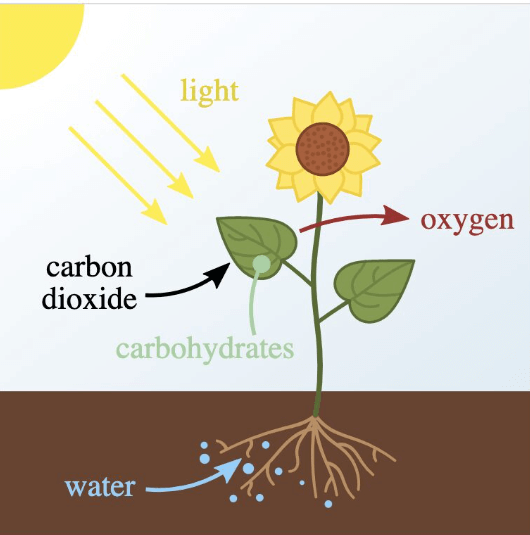
Autotrophic nutrition is a fascinating part of understanding what is nutrition in biology. Organisms that follow this mode are called autotrophs. They produce their own food using light or chemical energy. The most common example is photosynthesis in green plants. Chlorophyll captures sunlight and converts it into chemical energy.
There are two main forms of autotrophic nutrition: photosynthetic and chemosynthetic. Photosynthetic organisms use sunlight, while chemosynthetic organisms use chemical reactions to produce energy. These organisms form the base of the food chain. Without autotrophs, heterotrophs would not survive. Studying this concept deepens our understanding of what is nutrition in biology and highlights the importance of plants in maintaining ecological balance.
Heterotrophic Nutrition and Its Forms
Heterotrophic nutrition further explains what is nutrition in biology by focusing on organisms that cannot produce their own food. These organisms rely on plants or other animals for nourishment. Heterotrophic nutrition is divided into three main types:
-
Holozoic nutrition—seen in humans and animals that ingest solid food.
-
Saprophytic nutrition —observed in fungi that feed on dead and decaying matter.
-
Parasitic nutrition – Found in organisms that live on or inside a host and derive nutrients from it.
Each type shows a different survival strategy. By studying these variations, students gain a comprehensive understanding of what is nutrition in biology and how organisms adapt to their environment.
Steps Involved in the Nutrition Process

Another essential part of understanding what is nutrition in biology is learning about the steps involved in the process. Especially in humans and animals, nutrition occurs in five major stages: ingestion, digestion, absorption, assimilation, and excretion.
Ingestion is the intake of food. Digestion breaks down complex food into simpler substances. Absorption allows nutrients to enter the bloodstream. Assimilation ensures nutrients are used for energy and growth. Finally, excretion removes waste materials from the body.
Each step is interconnected and vital for survival. Without proper digestion or absorption, even nutritious food cannot benefit the body. These steps clearly explain what is nutrition in biology in practical terms.
Importance of Nutrition in Living Organisms
When discussing what is nutrition in biology, its importance cannot be ignored. Nutrition provides energy required for movement, thinking, and physiological processes. It supports growth and tissue repair. In children, proper nutrition ensures healthy development, while in adults it maintains strength and immunity.
Malnutrition can lead to various health problems such as weakness, stunted growth, and disease susceptibility. In plants, inadequate nutrients can result in poor growth and reduced productivity. Therefore, understanding what is nutrition in biology helps individuals appreciate the role of balanced diets and healthy ecosystems.
Nutrients and Their Functions
To better grasp what is nutrition in biology, one must understand the major nutrients and their roles:
| Nutrient | Function in the Body |
|---|---|
| Carbohydrates | Provide energy |
| Proteins | Build and repair tissues |
| Fats | Store energy and protect organs |
| Vitamins | Regulate body functions |
| Minerals | Strengthen bones and support metabolism |
| Water | Maintain hydration and transport nutrients |
Each nutrient has a unique function, but all work together to maintain life.
Nutrition in Plants vs Animals

A clear comparison further clarifies what is nutrition in biology. Plants prepare their food through photosynthesis, while animals depend on other organisms. While plants take up nutrients from the soil and atmosphere, animals consume complex foods.
Despite differences, both rely on essential biochemical processes to convert food into usable energy. This comparison strengthens the conceptual understanding of what is nutrition in biology by showing similarities and differences among living organisms.
Role of Nutrition in Health and Disease
Understanding what is nutrition in biology also helps in identifying how diet influences health. Balanced nutrition strengthens immunity and reduces the risk of diseases. On the other hand, poor nutrition may lead to deficiencies such as anemia, scurvy, or rickets.
Scientists and healthcare professionals study nutrition to develop better dietary recommendations. This scientific exploration reinforces why learning what is nutrition in biology is essential for both academic knowledge and practical living.
Frequently Asked Questions
1. What is nutrition in biology in simple words?
It is the process by which organisms obtain and use food for energy and growth.
2. What are the two main types of nutrition?
Autotrophic and heterotrophic nutrition.
3. Why is nutrition important?
It provides energy, supports growth, and maintains health.
4. Do plants and animals have the same nutrition process?
No, plants produce their own food while animals depend on others.
5. What happens if nutrition is poor?
It can cause diseases, weakness, and improper growth.
Conclusion
In summary, understanding what is nutrition in biology is essential to grasp how living organisms survive and thrive. Nutrition is a life-sustaining process involving the intake and utilization of nutrients for energy, growth, and repair. From plants performing photosynthesis to humans digesting food, every organism follows a unique yet vital nutritional pathway.
By learning what is nutrition in biology, students gain insight into health, ecological balance, and the interconnectedness of life. Proper nutrition supports strong bodies, healthy ecosystems, and overall well-being. Therefore, nutrition remains one of the most fundamental and fascinating concepts in biological science.
Read More:- Wellbeing Nutrition Collagen: Complete Health Guide