

Introduction to Modes of Nutrition
Nutrition is one of the most essential life processes in all living organisms. It provides energy for growth, repair, reproduction, and survival. Organisms obtain food in different ways depending on their structure and environment. The two primary modes of nutrition are autotrophic nutrition and heterotrophic nutrition. These nutritional strategies define how organisms obtain and process their food.
In simple terms, some organisms can make their own food, while others depend on external sources for nourishment. This basic distinction forms the foundation of autotrophic nutrition and heterotrophic nutrition. Understanding these two processes helps students grasp fundamental biological concepts related to food chains, ecosystems, and energy flow. Both modes of nutrition play vital roles in maintaining ecological balance and supporting life on Earth.
What is Autotrophic Nutrition?

Autotrophic nutrition refers to the process by which organisms prepare their own food from simple inorganic substances like carbon dioxide and water. This process usually requires an external source of energy such as sunlight. Green plants are the most common examples of organisms that follow autotrophic nutrition.
Through photosynthesis, plants convert solar energy into chemical energy stored in glucose. Chlorophyll, a green pigment present in leaves, absorbs sunlight and initiates the reaction. Some bacteria also perform autotrophic nutrition using chemical energy instead of sunlight, a process known as chemosynthesis.
Autotrophic nutrition and heterotrophic nutrition differ mainly in food production capability. While autotrophs are self-sufficient, heterotrophs depend on them either directly or indirectly for survival. Autotrophs form the base of the food chain, making them primary producers in ecosystems.
Process of Photosynthesis in Autotrophic Nutrition
Photosynthesis is the most common method of autotrophic nutrition. It takes place mainly in the leaves of green plants inside structures called chloroplasts. The process involves several steps. First, plants absorb sunlight through chlorophyll. Next, carbon dioxide enters through tiny pores called stomata, and water is absorbed by roots.
These raw materials combine in the presence of sunlight to form glucose and oxygen. The simplified equation of photosynthesis is:
Carbon dioxide + Water + Sunlight → Glucose + Oxygen
This process is crucial because it provides food for plants and oxygen for other organisms. Autotrophic nutrition and heterotrophic nutrition are interconnected through photosynthesis, as the oxygen and food produced by plants support heterotrophic organisms. Without autotrophic nutrition, life on Earth would not be sustainable.
Types of Autotrophic Nutrition
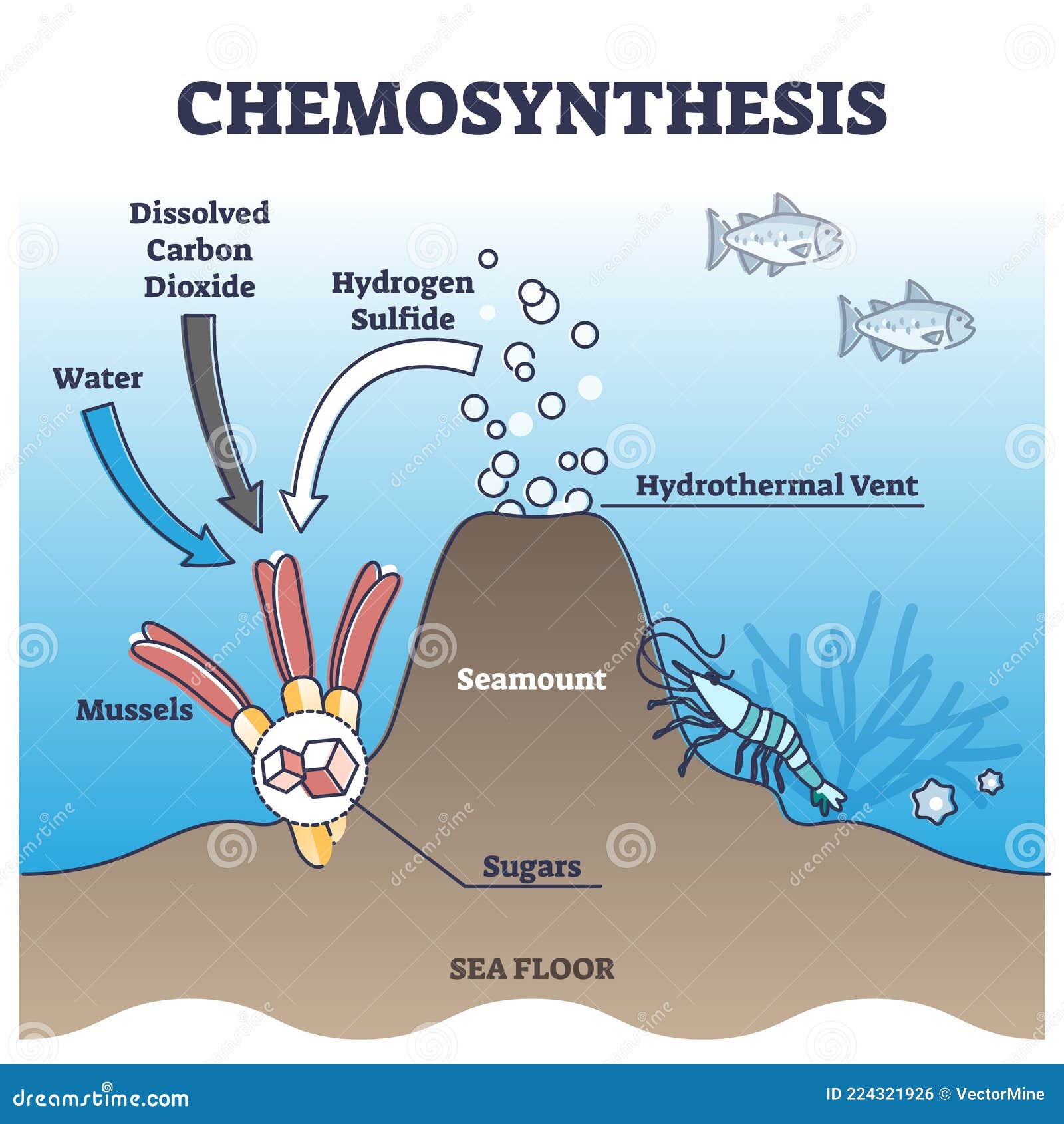
Autotrophic nutrition can be divided into two main types: photoautotrophic and chemoautotrophic nutrition. Photoautotrophs use sunlight as their energy source, while chemoautotrophs obtain energy from chemical reactions.
Green plants, algae, and some bacteria are photoautotrophs. They rely heavily on sunlight to carry out photosynthesis. On the other hand, certain bacteria living in deep-sea vents use chemical compounds like sulfur to produce food. This process is called chemosynthesis.
Although both types fall under autotrophic nutrition, their energy sources differ significantly. Understanding these variations helps explain how life can exist even in extreme environments where sunlight is unavailable. Autotrophic nutrition and heterotrophic nutrition together ensure that ecosystems remain productive and balanced.
What is Heterotrophic Nutrition?
Heterotrophic nutrition refers to the mode of nutrition in which organisms cannot prepare their own food. Instead, they depend on other organisms for nourishment. Animals, fungi, and most bacteria follow heterotrophic nutrition.
Unlike autotrophs, heterotrophs lack chlorophyll and cannot perform photosynthesis. They obtain energy by consuming plants or other animals. Heterotrophic nutrition and autotrophic nutrition are closely connected because heterotrophs ultimately depend on autotrophs for food production.
This mode of nutrition ensures energy transfer across different trophic levels in the food chain. Herbivores eat plants, carnivores eat other animals, and omnivores consume both. Thus, heterotrophic nutrition supports the dynamic flow of energy within ecosystems.
Types of Heterotrophic Nutrition
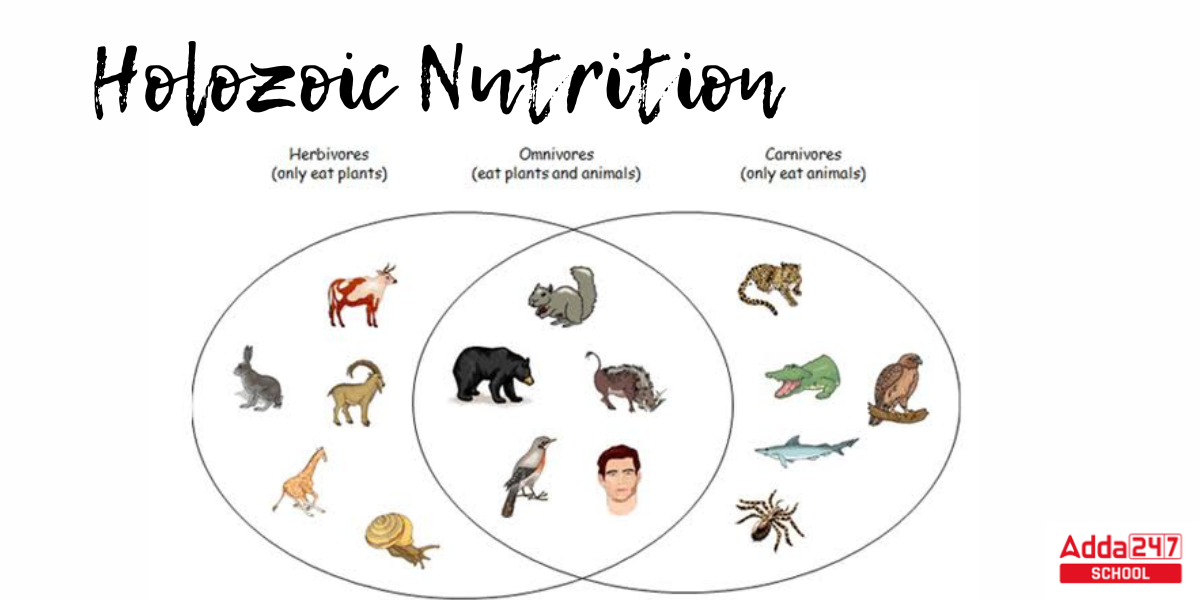
Heterotrophic nutrition can be classified into three main types: holozoic, saprophytic, and parasitic nutrition.
Holozoic nutrition involves ingestion, digestion, absorption, assimilation, and egestion. Humans and most animals follow this method. Saprophytic nutrition occurs in fungi, where organisms feed on dead and decaying matter. Parasitic nutrition involves organisms living on or inside a host and deriving nutrients at the host’s expense.
Each type demonstrates a unique way in which heterotrophic nutrition operates. When comparing autotrophic nutrition and heterotrophic nutrition, it becomes clear that heterotrophs rely entirely on external food sources. These classifications help students understand diverse feeding habits among organisms.
Image: Food Chain Illustration
(Photo showing plants, herbivores, and carnivores connected in a food chain.)
Key Differences Between the Two Modes
The distinction between autotrophic nutrition and heterotrophic nutrition can be summarized clearly in the following table:
| Basis of Difference | Autotrophic Nutrition | Heterotrophic Nutrition |
|---|---|---|
| Food Source | Self-prepared | Obtained from others |
| Presence of Chlorophyll | Usually present | Absent |
| Energy Source | Sunlight or chemicals | Organic food |
| Role in Ecosystem | Producers | Consumers |
| Examples | Plants, algae | Humans, animals |
This comparison highlights the structural and functional differences between the two nutritional strategies.
Ecological Importance
Autotrophic nutrition and heterotrophic nutrition together maintain ecological stability. Autotrophs capture solar energy and convert it into chemical energy, forming the base of the food pyramid. Heterotrophs consume this energy and pass it along different trophic levels.
Without autotrophic nutrition, there would be no primary production of food. Ecosystems would not be able to transfer energy effectively without heterotrophic nutrition. This balanced interaction ensures biodiversity and environmental sustainability.
The relationship between these two nutritional modes also influences global cycles, such as the carbon cycle and the oxygen cycle. Plants absorb carbon dioxide and release oxygen, while animals consume it and release carbon dioxide.
Practical Examples in Daily Life
In everyday life, we observe examples of autotrophic nutrition and heterotrophic nutrition around us. Green plants in gardens perform photosynthesis daily. Farmers depend on this process for crop production.
Humans exhibit heterotrophic nutrition by consuming plant-based and animal-based foods. Even microorganisms in soil follow specific nutritional patterns. By studying these examples, students gain a deeper appreciation of biological diversity and ecological relationships.
Frequently Asked Questions
1. What is the main difference between autotrophic nutrition and heterotrophic nutrition?
The main difference is that autotrophs prepare their own food, while heterotrophs depend on other organisms for food.
2. Can an organism show both types of nutrition?
Some organisms like certain protozoa can switch modes depending on environmental conditions.
3. Why is photosynthesis important?
It produces food and oxygen, supporting life on Earth.
4. Are humans autotrophs?
No, humans follow heterotrophic nutrition.
5. Why are plants called producers?
Because they produce their own food through autotrophic nutrition.
Conclusion
Autotrophic nutrition and heterotrophic nutrition are fundamental biological processes that define how organisms obtain energy. Autotrophs act as producers, converting inorganic substances into food using sunlight or chemical energy. Heterotrophs depend on these producers for survival, forming complex food chains and ecosystems.
Understanding autotrophic nutrition and heterotrophic nutrition helps students grasp essential ecological concepts and appreciate the interdependence of living organisms. Together, these two modes of nutrition sustain life, maintain environmental balance, and support the complex framework that defines biodiversity on Earth.
Read More:- Understanding the Difference Between Autotrophic and Heterotrophic Nutrition