

Introduction to Autotrophic Nutrition
To understand plant life and the foundation of ecosystems, it is essential to explore what are the necessary conditions for autotrophic nutrition and what are its by-products. Autotrophic nutrition is the process by which green plants and certain microorganisms prepare their own food using simple inorganic substances. Unlike animals that depend on external food sources, autotrophs synthesize organic compounds from carbon dioxide and water.
This process primarily occurs through photosynthesis, which takes place in the chloroplasts of plant cells. Sunlight acts as the energy source, driving chemical reactions that convert raw materials into glucose. When studying what are the necessary conditions for autotrophic nutrition and what are its by-products, students gain insight into how life on Earth sustains itself. This biological mechanism supports food chains and maintains atmospheric balance.
Understanding the Concept of Autotrophic Nutrition

Autotrophic nutrition refers to a self-feeding mode of nutrition. Organisms that follow this process are known as autotrophs. Green plants, algae, and some bacteria are examples of autotrophic organisms. They use sunlight, carbon dioxide, water, and chlorophyll to produce food.
When discussing what are the necessary conditions for autotrophic nutrition and what are its by-products, it is important to recognize that this process is not random. It requires specific environmental and cellular factors to function efficiently. Without these conditions, photosynthesis cannot occur properly. The glucose produced during this process becomes the primary source of energy for plants and indirectly for animals and humans as well.
Necessary Conditions for Autotrophic Nutrition
Understanding what are the necessary conditions for autotrophic nutrition and what are its by-products begins with identifying the essential requirements. The main conditions include:
-
Sunlight
-
Chlorophyll
-
Carbon dioxide
-
Water
-
Suitable temperature
Each of these factors plays a crucial role in completing the photosynthesis process. If even one condition is absent, autotrophic nutrition cannot occur efficiently. These conditions ensure that light energy is converted into chemical energy stored in glucose molecules.
Role of Sunlight in Autotrophic Nutrition

Sunlight is the primary source of energy required for photosynthesis. When studying what are the necessary conditions for autotrophic nutrition and what are its by-products, sunlight stands as the most important external factor. Plants capture light energy through chlorophyll pigments present in chloroplasts.
This light energy drives the chemical reactions that convert carbon dioxide and water into glucose. Without sunlight, plants cannot prepare their own food. That is why plants kept in darkness for long periods lose their green color and eventually die. The intensity and duration of sunlight directly influence the rate of photosynthesis and overall plant growth.
Importance of Chlorophyll
Chlorophyll is a green pigment found in the chloroplasts of plant cells. It plays a vital role in absorbing sunlight. When examining what are the necessary conditions for autotrophic nutrition and what are its by-products, chlorophyll acts as the medium that captures light energy.
Plants lacking chlorophyll, such as fungi, cannot perform autotrophic nutrition. Instead, they rely on heterotrophic nutrition. Chlorophyll absorbs mainly red and blue wavelengths of light and reflects green, which is why plants appear green. Without chlorophyll, the process of converting light energy into chemical energy would not be possible.
Role of Carbon Dioxide and Water

Carbon dioxide and water are the raw materials required for photosynthesis. To understand what are the necessary conditions for autotrophic nutrition and what are its by-products, we must analyze how these substances participate in the reaction.
Plants absorb carbon dioxide from the atmosphere through tiny openings called stomata. Water is absorbed from the soil through roots. Inside the chloroplasts, carbon dioxide combines with water in the presence of sunlight and chlorophyll to produce glucose. The balanced chemical equation of photosynthesis is:
Carbon dioxide + Water → Glucose + Oxygen
Without adequate carbon dioxide or water, autotrophic nutrition cannot proceed effectively.
Suitable Temperature Requirement
Temperature affects enzyme activity involved in photosynthesis. When exploring what are the necessary conditions for autotrophic nutrition and what are its by-products, temperature becomes an important environmental factor.
Photosynthesis occurs best within an optimal temperature range, usually between 25°C to 35°C for most plants. Extremely high or low temperatures can damage enzymes, slowing down or stopping the process. Therefore, environmental balance is crucial for efficient autotrophic nutrition.
Table: Conditions Required for Autotrophic Nutrition
| Condition | Role in Process | Effect if Absent |
|---|---|---|
| Sunlight | Provides energy | No photosynthesis |
| Chlorophyll | Absorbs light energy | No food formation |
| Carbon Dioxide | Raw material for glucose production | Reduced growth |
| Water | Reactant and hydrogen source | Plant wilting |
| Suitable Temperature | Maintains enzyme function | Slowed reaction |
By-Products of Autotrophic Nutrition
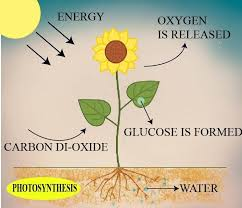
After learning the conditions and by-products of autotrophic nutrition, we must discuss its outputs. The main byproduct of photosynthesis is oxygen.
During the formation of glucose, oxygen is released into the atmosphere through stomata. This oxygen is essential for the survival of most living organisms, including humans. Without the oxygen released by plants, life on Earth would not be sustainable.
Another indirect by-product is water vapor, released during transpiration. Though glucose is the main product, oxygen remains the most significant by-product.
Importance of Oxygen as a By-Product
Oxygen plays a vital role in respiration. When analyzing the necessary conditions for autotrophic nutrition and its by-products, oxygen stands as a life-supporting element.
All aerobic organisms depend on oxygen to break down glucose and release energy. The oxygen produced by plants maintains atmospheric balance and supports combustion and respiration processes. Thus, autotrophic nutrition directly contributes to sustaining ecological stability.
Environmental Significance

Understanding the necessary conditions for autotrophic nutrition and its by-products helps explain the balance between oxygen and carbon dioxide in the atmosphere. Plants absorb carbon dioxide, reducing greenhouse effects, and release oxygen.
This balance supports climate regulation and sustains biodiversity. Forests and green plants act as natural air purifiers, emphasizing the importance of protecting vegetation.
Frequently Asked Questions (FAQs)
1. What are the necessary conditions for autotrophic nutrition?
These conditions include sunlight, chlorophyll, carbon dioxide, water, and a suitable temperature.
2. What are its main by-products?
Oxygen is the primary by-product of autotrophic nutrition.
3. Why is chlorophyll important?
It absorbs light energy required for photosynthesis.
4. Can autotrophic nutrition occur without sunlight?
No, sunlight is essential for the process.
5. Why is oxygen important as a by-product?
Oxygen supports respiration in living organisms.
Conclusion
In conclusion, understanding what the necessary conditions for autotrophic nutrition are and what its by-products are provides insight into the fundamental process that sustains life on Earth. Sunlight, chlorophyll, carbon dioxide, water, and suitable temperature work together to enable plants to produce their own food.
The most important by-product, oxygen, supports respiration and maintains ecological balance. Food chains would collapse without autotrophic nutrition, disrupting atmospheric stability. This remarkable biological process highlights the interdependence of all living organisms and the essential role of plants in sustaining life.
Read More:- Understanding the Nutritional Modes in Living Organisms