

Introduction to Autotrophic Nutrition
When we study biology, one of the most important life processes we learn about is nutrition. Every living organism requires food to survive, grow, and perform daily activities. Some organisms depend on others for food, while some can produce their own food. To define autotrophic nutrition, we must understand that it refers to a mode of nutrition in which organisms prepare their food using simple inorganic substances like carbon dioxide and water.
This type of nutrition is most commonly seen in green plants, algae, and certain bacteria. These organisms use sunlight or chemical energy to synthesize their food. The ability to make food independently makes them producers in the food chain. When we define autotrophic nutrition clearly, we recognize it as the foundation of life on Earth because it supports almost all other forms of life, directly or indirectly.
What Does “Autotrophic Nutrition” Mean?
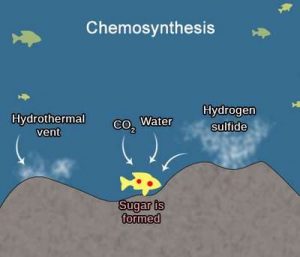
To define autotrophic nutrition in simple words, it is the process by which organisms make their own organic food from inorganic raw materials. The term “auto” means self, and “trophic” relates to nutrition. Therefore, autotrophic nutrition literally means self-feeding.
Organisms that follow this mode of nutrition are called autotrophs. They utilize natural resources such as sunlight, water, and carbon dioxide to synthesize glucose and other nutrients. This process generally takes place in the presence of chlorophyll, a green pigment found in plant leaves. When students define autotrophic nutrition in exams, they often describe it as a process involving photosynthesis or chemosynthesis.
Understanding how to define autotrophic nutrition correctly helps build a strong base for learning advanced biological concepts such as ecosystems, food chains, and energy cycles.
Types of Autotrophic Nutrition
When we define autotrophic nutrition in detail, we find that it can be classified into two main types:
-
Photosynthetic autotrophic nutrition
-
Chemosynthetic autotrophic nutrition
Photosynthetic nutrition is the most common type. In this process, organisms use sunlight to convert carbon dioxide and water into glucose and oxygen. Green plants, algae, and cyanobacteria follow this method.
Chemosynthetic nutrition, on the other hand, does not require sunlight. Certain bacteria use chemical energy obtained from inorganic substances like ammonia or hydrogen sulfide to prepare their food. While defining autotrophic nutrition, it is important to mention both types because they explain how organisms survive in different environmental conditions.
Process of Photosynthesis

To properly define autotrophic nutrition, we must understand the steps involved in photosynthesis. This process occurs mainly in the chloroplasts of plant cells. Chloroplasts contain chlorophyll, which traps sunlight energy.
The process involves the following steps:
-
Absorption of sunlight by chlorophyll
-
Intake of carbon dioxide from the air through stomata
-
Absorption of water from the soil through roots
-
Conversion of these raw materials into glucose
-
Release of oxygen as a byproduct
The chemical equation for photosynthesis is:
Carbon dioxide + Water + Sunlight → Glucose + Oxygen
When we define autotrophic nutrition scientifically, photosynthesis becomes the most important example explaining how energy from the sun is converted into chemical energy.
Importance in the Food Chain
When we define autotrophic nutrition, we also highlight its significance in ecosystems. Autotrophs are known as producers because they form the base of the food chain. All herbivores depend directly on plants for food, while carnivores depend indirectly on them.
Without autotrophic nutrition, life on Earth would not exist. Plants provide oxygen necessary for respiration and produce food that sustains animals and humans. When defining autotrophic nutrition, it is crucial to understand that it maintains ecological balance and supports biodiversity.
Energy flows from the sun to plants and then to animals, creating a continuous cycle of life. Therefore, environmental sustainability and survival directly link to the concept of autotrophic nutrition.
Chemosynthesis Explained
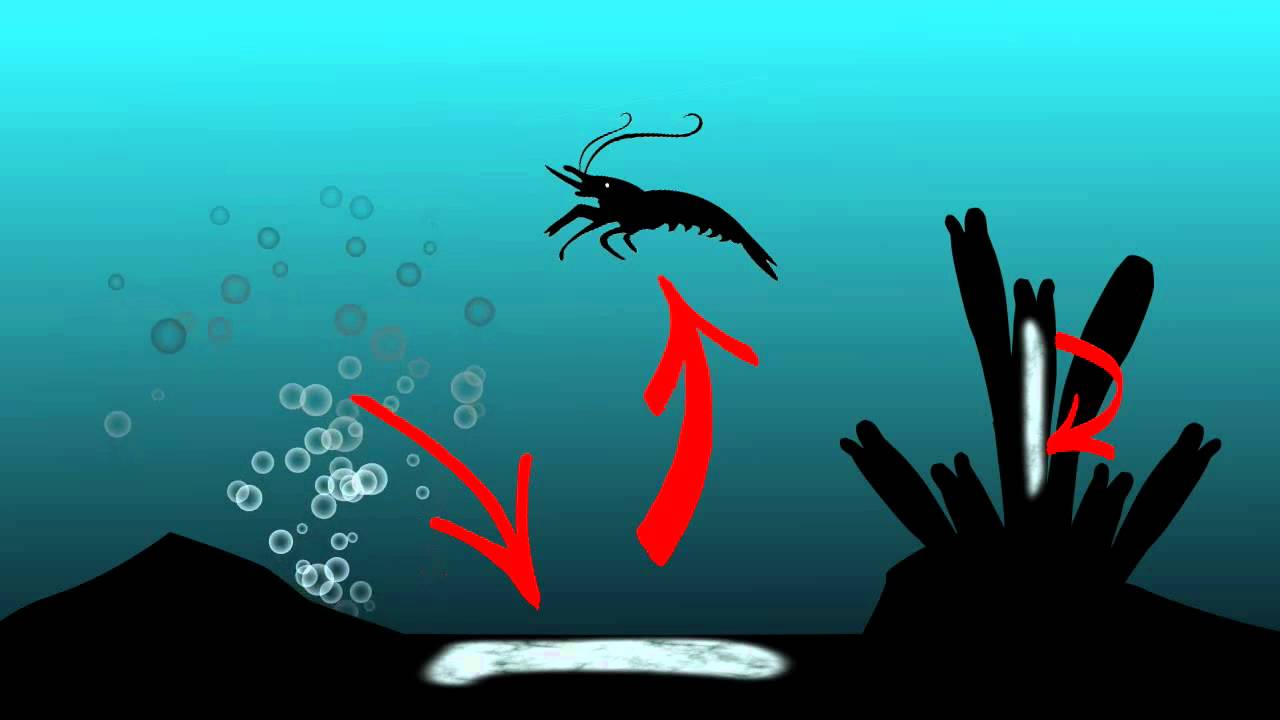
To define autotrophic nutrition comprehensively, we must also discuss chemosynthesis. Certain bacteria, found in extreme environments like deep-sea vents or hot springs, carry out this process. These bacteria cannot rely on sunlight, so they use chemical reactions to produce energy.
In chemosynthesis, inorganic molecules are oxidized to release energy, which is then used to synthesize organic compounds. Even though it is less common than photosynthesis, it is equally important in specific ecosystems.
While we define autotrophic nutrition primarily through plant processes, chemosynthetic bacteria prove that life can exist even without sunlight, expanding our understanding of biological adaptability.
Comparison Table
| Feature | Photosynthesis | Chemosynthesis |
|---|---|---|
| Source of Energy | Sunlight | Chemical reactions |
| Organisms Involved | Plants, algae | Certain bacteria |
| Oxygen Production | Yes | No |
| Habitat | Land and water surfaces | Deep-sea vents, soil layers |
This comparison helps students better define autotrophic nutrition and differentiate its types clearly.
Examples of Autotrophic Organisms
When we define autotrophic nutrition, common examples include green plants such as grass, trees, and crops. Algae found in water bodies also perform photosynthesis. Cyanobacteria, often called blue-green algae, are microscopic organisms that follow autotrophic nutrition.
Chemosynthetic bacteria are another example, especially those living in sulfur-rich environments. These organisms demonstrate that autotrophic nutrition is not limited to plants alone.
Understanding these examples helps students easily define autotrophic nutrition in practical and theoretical contexts.
Difference Between Autotrophic and Heterotrophic Nutrition
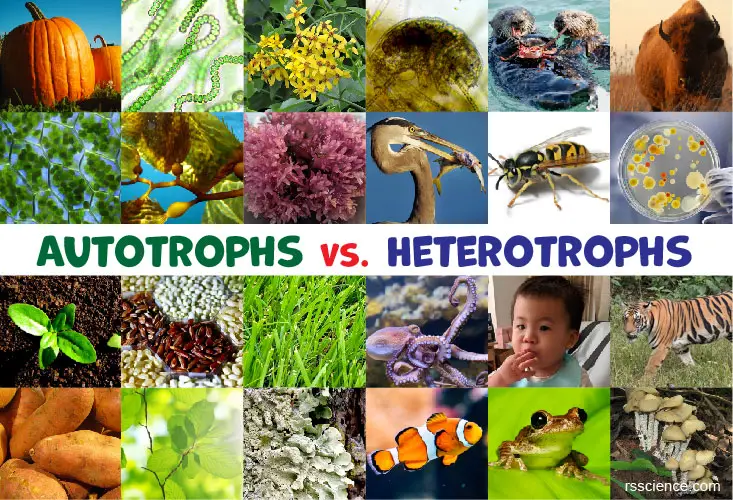
To define autotrophic nutrition accurately, it is helpful to compare it with heterotrophic nutrition. In autotrophic nutrition, organisms make their own food. In heterotrophic nutrition, organisms depend on others for food.
Humans, animals, fungi, and many bacteria follow heterotrophic nutrition. They cannot prepare their own food and rely on plants or other organisms. When students define autotrophic nutrition, they often mention this comparison to clarify the concept further.
The difference lies mainly in the ability to synthesize food independently using natural resources.
Role in Environmental Balance
When we define autotrophic nutrition in environmental terms, we see its impact on oxygen production and carbon dioxide balance. Plants absorb carbon dioxide during photosynthesis and release oxygen. This process maintains atmospheric balance and supports respiration.
Forests, grasslands, and aquatic plants are major contributors to maintaining global oxygen levels. Without autotrophic nutrition, carbon dioxide levels would rise, leading to severe environmental consequences.
Thus, defining autotrophic nutrition is not only a biological concept but also an environmental necessity.
Frequently Asked Questions (FAQs)
1. How do you define autotrophic nutrition in simple words?
It is the process by which organisms prepare their own food using inorganic substances.
2. Which organisms follow autotrophic nutrition?
Green plants, algae, and certain bacteria follow this mode of nutrition.
3. What is the main process involved?
Photosynthesis is the primary process.
4. Is sunlight always required?
No, chemosynthetic bacteria can prepare food without sunlight.
5. Why is autotrophic nutrition important?
It forms the base of the food chain and maintains oxygen balance.
Conclusion
To define autotrophic nutrition is to understand one of the most essential biological processes sustaining life on Earth. It is the method by which organisms like plants and certain bacteria create their own food from simple inorganic substances. Through processes such as photosynthesis and chemosynthesis, autotrophs convert natural energy into chemical energy that supports ecosystems worldwide.
This form of nutrition forms the base of the food chain, maintains atmospheric balance, and ensures survival for countless species. By studying and clearly understanding how to define autotrophic nutrition, students gain valuable insights into biology, environmental science, and the interconnectedness of life.
Read More:- Examples and Explanation of Autotrophic Nutrition