

Introduction to Autotrophic Nutrition
Nutrition is an essential life process that allows organisms to obtain energy and nutrients for growth, repair, and survival. Among the different types of nutrition found in living organisms, autotrophic nutrition holds a very special place. It is the process by which organisms prepare their own food using simple inorganic substances such as carbon dioxide and water. The most common example of autotrophic nutrition can be observed in green plants that produce food through photosynthesis.
This type of nutrition supports life on Earth because it forms the base of the food chain. Without organisms that follow autotrophic nutrition, other living beings would not have a direct or indirect food source. Understanding example of autotrophic nutrition helps students grasp how energy flows in ecosystems and why plants are called producers in biology.
What Is Autotrophic Nutrition?
Autotrophic nutrition is a mode of nutrition in which organisms synthesize their own food from inorganic materials using light or chemical energy. The word “auto” means self and “trophic” refers to nourishment, meaning self-nourishment. A clear example of autotrophic nutrition is seen in green plants, algae, and some bacteria.
These organisms use carbon dioxide, water, minerals, and sunlight to produce glucose and oxygen. The process mainly occurs in the chloroplasts of plant cells, which contain chlorophyll. Chlorophyll traps sunlight and converts it into chemical energy. This energy drives the reaction that forms carbohydrates. Learning example of autotrophic nutrition is essential to understand how plants sustain themselves and provide food for herbivores and other organisms.
Types of Autotrophic Nutrition
Autotrophic nutrition is broadly divided into two types:
-
Photosynthetic autotrophic nutrition
-
Chemosynthetic autotrophic nutrition
In photosynthetic autotrophic nutrition, sunlight is used as the main energy source. The best example of autotrophic nutrition under this category is green plants preparing food through photosynthesis.
In chemosynthetic autotrophic nutrition, organisms use chemical energy instead of sunlight to synthesize food. Certain bacteria found in deep oceans or soil follow this method. They convert inorganic substances into organic compounds. Both types demonstrate how living organisms can independently create their nourishment without relying on others.
Photosynthesis: A Major Example
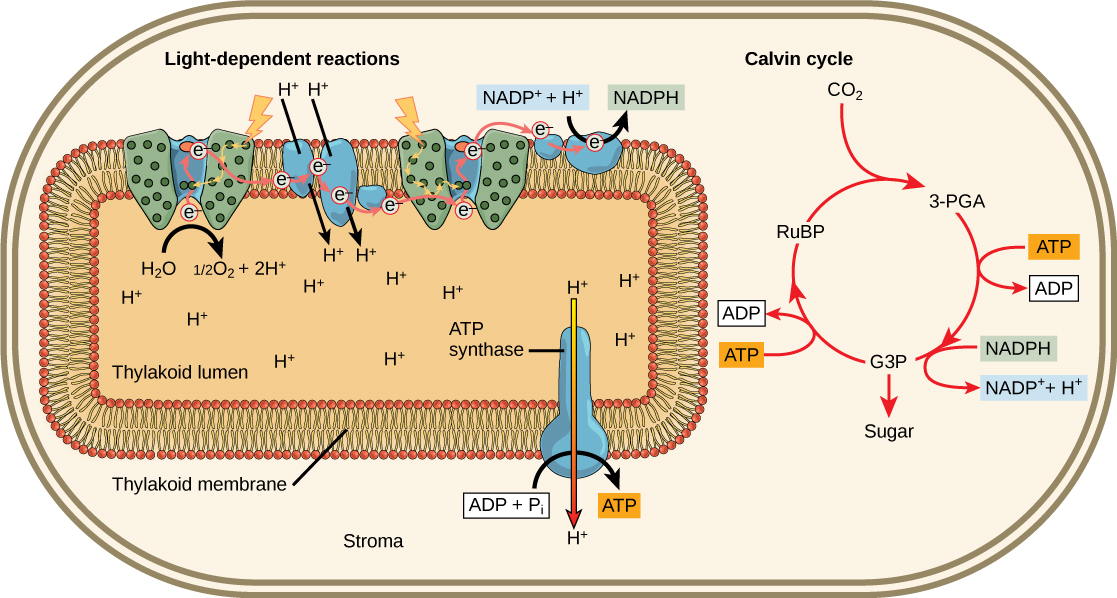
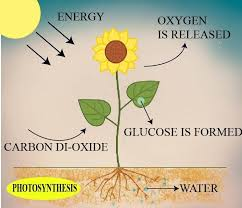
The most familiar example of autotrophic nutrition is photosynthesis. In this process, green plants absorb sunlight through chlorophyll and combine carbon dioxide and water to produce glucose and oxygen. The chemical equation of photosynthesis is:
Carbon dioxide + Water → Glucose + Oxygen
This process provides energy to plants and releases oxygen into the atmosphere, which is essential for respiration in animals and humans. Photosynthesis occurs mainly in the leaves of plants. It shows how sunlight acts as the primary source of energy in ecosystems. Studying example of autotrophic nutrition like photosynthesis helps students understand the interdependence of plants and animals.
Chemosynthesis: Another Important Example
While photosynthesis is the most common example of autotrophic nutrition, chemosynthesis is equally fascinating. Chemosynthetic bacteria live in environments where sunlight is not available, such as deep-sea vents. These bacteria obtain energy by oxidizing inorganic substances like hydrogen sulfide or ammonia.
Instead of sunlight, chemical reactions provide the energy needed to produce carbohydrates. This example of autotrophic nutrition proves that life can exist even in extreme conditions. Chemosynthetic organisms play an important role in nutrient cycling and maintaining ecological balance in specialized habitats.
Differences Between Autotrophic and Heterotrophic Nutrition
Understanding the contrast between autotrophic and heterotrophic nutrition helps clarify the importance of example of autotrophic nutrition.
| Feature | Autotrophic Nutrition | Heterotrophic Nutrition |
|---|---|---|
| Food Source | Self-prepared | Depends on others |
| Energy Source | Sunlight or chemicals | Organic food |
| Examples | Plants, algae | Humans, animals |
| Role in Food Chain | Producers | Consumers |
Autotrophs form the foundation of the food chain, while heterotrophs rely on them for survival. This relationship points out the ecologic importance of autotrophic organisms.
Importance in Ecosystems
Every ecosystem depends on producers that follow autotrophic nutrition. Without a proper example of autotrophic nutrition, energy transfer in the food chain would stop. Plants convert solar energy into chemical energy, which is then passed on to herbivores and carnivores.
Autotrophs also regulate atmospheric gases by absorbing carbon dioxide and releasing oxygen. This balance supports life on Earth. Forests, grasslands, and aquatic ecosystems all rely heavily on organisms that practice autotrophic nutrition. Understanding example of autotrophic nutrition helps explain why environmental conservation is important.
Steps Involved in Photosynthesis
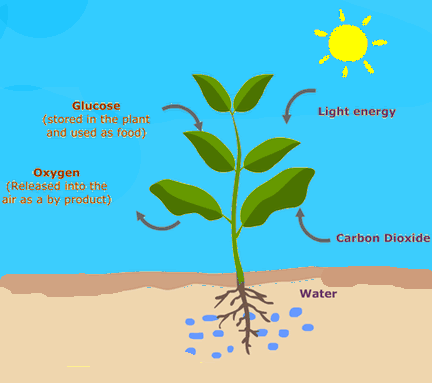
To understand example of autotrophic nutrition more clearly, let us examine the steps involved in photosynthesis:
-
Absorption of sunlight by chlorophyll
-
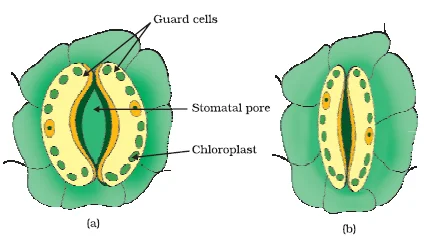
Intake of carbon dioxide through stomata
-
Absorption of water from roots
-
Conversion of light energy into chemical energy
-
Production of glucose and oxygen
Each step plays a crucial role in ensuring that plants successfully produce food. These processes occur within specialized cell structures and are carefully regulated by enzymes.
Real-Life Examples
There are many practical example of autotrophic nutrition found around us. Green grass in gardens, crops in agricultural fields, algae in ponds, and phytoplankton in oceans all produce their own food. Even some bacteria in soil contribute to nutrient cycles using autotrophic methods.
Farmers depend on autotrophic crops for food production. Without them, human civilization would struggle to survive. These examples demonstrate how example of autotrophic nutrition impacts daily life, agriculture, and environmental sustainability.
Educational Importance

In school biology, example of autotrophic nutrition is introduced at an early stage because it forms the basis of understanding food chains and ecological systems. Students learn about photosynthesis experiments, leaf structure, and chlorophyll functions.
Practical demonstrations such as testing leaves for starch help learners observe the results of photosynthesis. This concept also prepares students for advanced studies in plant physiology, environmental science, and biotechnology.
Frequently Asked Questions
-
What is the best example of autotrophic nutrition?
The best example of autotrophic nutrition is photosynthesis in green plants. -
Do all plants follow autotrophic nutrition?
Most green plants do, but some parasitic plants depend partially on others. -
What is the difference between photosynthesis and chemosynthesis?
Photosynthesis uses sunlight, while chemosynthesis uses chemical energy. -
Why is autotrophic nutrition important?
It forms the base of the food chain and maintains oxygen balance. -
Can bacteria perform autotrophic nutrition?
Yes, certain bacteria follow chemosynthetic autotrophic nutrition.
Conclusion
Autotrophic nutrition is one of the most vital biological processes sustaining life on Earth. Through processes like photosynthesis and chemosynthesis, organisms prepare their food and form the foundation of ecosystems. Green plants, which convert sunlight into energy-rich glucose, serve as the most common example of autotrophic nutrition.
These organisms feed themselves and support all other life forms directly or indirectly. By understanding example of autotrophic nutrition, we gain insight into ecological balance, energy transfer, and environmental sustainability. This knowledge encourages appreciation for plants and the natural systems that make life possible on our planet.
Read More:- Understanding Autotrophic and Heterotrophic Nutrition Systems