

Introduction to Nutritional Modes in Living Organisms
Nutrition is one of the most essential life processes in all living organisms. Every organism requires energy and nutrients to grow, reproduce, and carry out metabolic activities. Broadly, nutrition is divided into autotrophic and heterotrophic modes. In autotrophic nutrition, organisms prepare their food using simple inorganic substances. The study of types of autotrophic nutrition helps us understand how plants, algae, and certain bacteria sustain life on Earth.
The concept is fundamental in biology because autotrophs form the base of the food chain. Without them, life would not be possible. When we explore types of autotrophic nutrition, we discover how energy from sunlight or chemical reactions is converted into usable food. This process supports ecosystems and maintains the balance of atmospheric gases. Understanding these mechanisms also explains the flow of energy in nature and the importance of green plants in sustaining life.
What Is Autotrophic Nutrition?
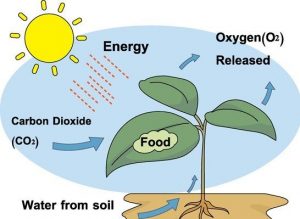
Autotrophic nutrition is a mode of nutrition in which organisms synthesize their own organic food from inorganic materials like carbon dioxide and water. This process usually requires an external energy source such as sunlight or chemical energy. Organisms that follow this method are known as autotrophs.
There are different types of autotrophic nutrition depending on the energy source used for food production. Green plants, algae, and some bacteria are classic examples of autotrophs. These organisms do not depend on others for food, making them producers in ecological systems. The importance of studying types of autotrophic nutrition lies in understanding how life sustains itself naturally. Without autotrophs, higher organisms including humans would not have a direct or indirect food supply.
Photosynthesis: The Most Common Type
One of the most well-known types of autotrophic nutrition is photosynthesis. In this process, green plants use sunlight as their primary energy source to produce food. Chlorophyll, the green pigment in leaves, absorbs sunlight and initiates chemical reactions that convert carbon dioxide and water into glucose and oxygen.
The chemical equation for photosynthesis is:
Carbon dioxide + Water + Sunlight → Glucose + Oxygen
Photosynthesis provides food for plants and releases oxygen into the atmosphere, which is essential for respiration. This process is why forests and green plants are considered the lungs of the Earth. Among the types of autotrophic nutrition, photosynthesis is the most widespread and vital for maintaining ecological balance.
Chemosynthesis: Energy from Chemicals
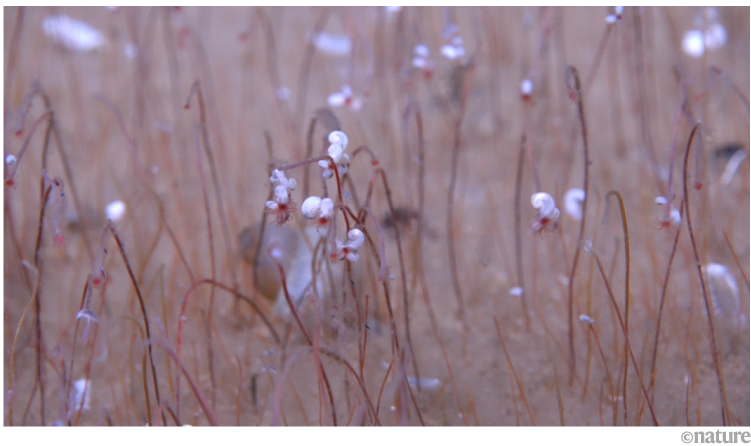 Another important category among the types of autotrophic nutrition is chemosynthesis. Unlike photosynthesis, this process does not require sunlight. Instead, organisms obtain energy from chemical reactions involving inorganic substances such as hydrogen sulfide, ammonia, or methane.
Chemosynthetic bacteria are commonly found in extreme environments like deep-sea hydrothermal vents where sunlight cannot reach. These bacteria use chemical energy to convert carbon dioxide into organic compounds. Chemosynthesis demonstrates that life can exist even in the absence of sunlight. Studying types of autotrophic nutrition such as chemosynthesis helps scientists understand unique ecosystems and the adaptability of life forms under harsh conditions.
Differences Between Photosynthesis and Chemosynthesis
The two primary types of autotrophic nutrition differ mainly in their energy sources and habitats. The table below highlights the key distinctions:
| Feature | Photosynthesis | Chemosynthesis |
|---|---|---|
| Energy Source | Sunlight | Chemical reactions |
| Pigment Required | Chlorophyll | No chlorophyll required |
| Organisms Involved | Green plants, algae | Certain bacteria |
| Oxygen Production | Yes | Usually No |
| Habitat | Sunlit environments | Dark, extreme environments |
This comparison clarifies how types of autotrophic nutrition vary in mechanism and ecological significance.
Importance in the Ecosystem

The role of autotrophs in ecosystems cannot be overstated. By studying types of autotrophic nutrition, we understand how energy enters the food chain. Autotrophs convert inorganic substances into organic matter, which becomes food for herbivores and eventually carnivores.
Additionally, photosynthetic organisms regulate atmospheric carbon dioxide levels and contribute to oxygen production. Chemosynthetic organisms, on the other hand, support life in deep-sea ecosystems where sunlight is absent. Without these types of autotrophic nutrition, ecological systems would collapse due to the lack of primary producers.
Examples of Autotrophic Organisms
Different organisms demonstrate various types of autotrophic nutrition. Some examples include:
-
Green plants such as trees and grasses
-
Algae in aquatic environments
-
Cyanobacteria
-
Nitrifying bacteria
-
Sulfur bacteria
Each of these organisms uses either light energy or chemical energy to produce food. Recognizing these examples helps students connect theoretical knowledge with real-world biological systems.
Process of Food Formation in Plants
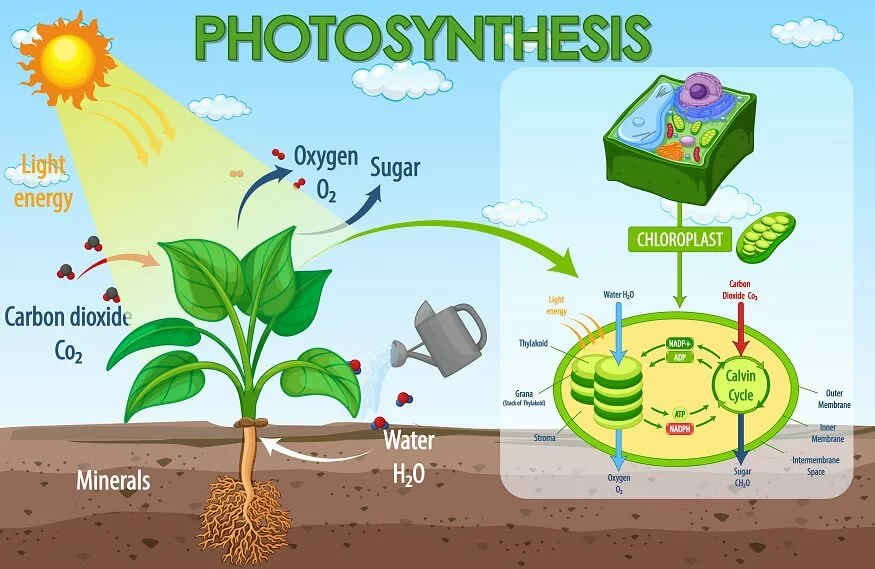
In photosynthetic autotrophs, the process begins when chlorophyll absorbs sunlight. Water absorbed by roots travels to the leaves, while carbon dioxide enters through stomata. Inside chloroplasts, chemical reactions convert these substances into glucose.
Glucose serves as an energy source and building material for growth. Some of it is stored as starch for later use. Among all types of autotrophic nutrition, this process is the most efficient in converting solar energy into chemical energy. It also supports nearly all life forms directly or indirectly.
Adaptations for Autotrophic Nutrition
Organisms following different types of autotrophic nutrition show unique adaptations. Plants have broad leaves to capture maximum sunlight. Aquatic plants have thin leaves for efficient gas exchange. Chemosynthetic bacteria possess specialized enzymes to process inorganic chemicals.
These adaptations ensure survival in diverse environments. Studying types of autotrophic nutrition also highlights evolutionary advancements that allow organisms to harness available energy efficiently.
Educational Significance

In academic curricula, types of autotrophic nutrition are introduced in middle school and explored in depth at higher levels. Students learn about photosynthesis experiments, chlorophyll extraction, and bacterial studies. Understanding this topic builds a strong foundation for advanced studies in biology, environmental science, and biotechnology.
Teachers often emphasize diagrams and real-life examples to explain types of autotrophic nutrition clearly. Mastery of this concept enhances analytical thinking and scientific curiosity.
Frequently Asked Questions (FAQs)
1. What are the main types of autotrophic nutrition?
The two main types are photosynthesis and chemosynthesis.
2. Why is photosynthesis important?
It produces food and releases oxygen necessary for life.
3. Where does chemosynthesis occur?
It occurs in dark environments like deep-sea vents.
4. Do all plants perform photosynthesis?
Most green plants do, as they contain chlorophyll.
5. Why are autotrophs called producers?
Because they produce their own food and form the base of food chains.
Conclusion
The study of types of autotrophic nutrition reveals how life on Earth is sustained through natural energy conversion processes. Photosynthesis harnesses sunlight to produce food and oxygen, while chemosynthesis uses chemical reactions to support life in extreme environments. Together, these processes form the backbone of ecosystems by supplying energy to all living organisms.
Understanding types of autotrophic nutrition strengthens biological knowledge and deepens appreciation for the natural world. Autotrophs are indispensable to ecological balance, climate regulation, and food production. By learning about these essential processes, we gain insight into the interconnected systems that make life possible on our planet.
Read More:- Necessary Conditions for Autotrophic Nutrition and By-Products