

Introduction to difference between autotrophic nutrition and heterotrophic nutrition
Nutrition is one of the most essential life processes in living organisms. It provides energy, supports growth, repairs tissues, and maintains overall body functions. When studying biology, students often explore the difference between autotrophic nutrition and heterotrophic nutrition to understand how organisms obtain their food. These two nutritional modes explain whether organisms prepare their own food or depend on others for nourishment.
The difference between autotrophic nutrition and heterotrophic nutrition becomes clearer when we observe plants and animals. Green plants can produce their own food using sunlight, while animals rely on plants or other animals for energy. This classification helps scientists organize living organisms based on their feeding habits. Understanding these nutritional patterns is fundamental for learning about ecosystems, food chains, and energy flow in the environment.
What Is Autotrophic Nutrition?
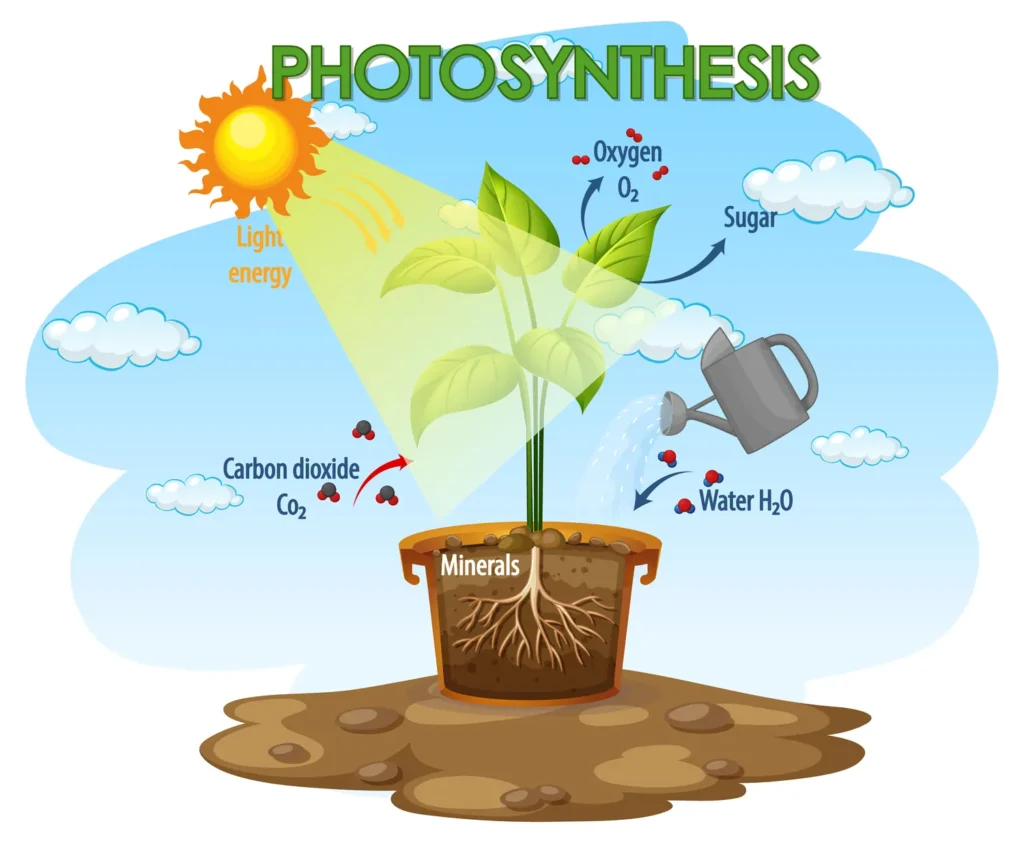
Autotrophic nutrition is the mode of nutrition in which organisms prepare their own food from simple inorganic substances like carbon dioxide and water. They use sunlight or chemical energy to convert these raw materials into glucose. Green plants, algae, and some bacteria follow this method of nutrition.
In autotrophic nutrition, chlorophyll plays a crucial role. It captures sunlight and initiates the process of photosynthesis. Through this process, energy from the sun is transformed into chemical energy stored in food molecules. This ability to create food makes autotrophs producers in the ecosystem.
When analyzing the difference between autotrophic nutrition and heterotrophic nutrition, one key point is that autotrophs are self-sufficient. They do not depend directly on other organisms for food, which makes them the foundation of all food chains.
What Is Heterotrophic Nutrition?
Heterotrophic nutrition is the mode of nutrition in which organisms depend on other organisms for food. They cannot synthesize their own food from simple inorganic materials. Animals, fungi, and most bacteria fall under this category.
In heterotrophic nutrition, organisms obtain complex organic substances by consuming plants or other animals. These substances are then broken down into simpler molecules to release energy. Unlike autotrophs, heterotrophs lack chlorophyll and cannot perform photosynthesis.
The difference between autotrophic nutrition and heterotrophic nutrition is especially evident here. While autotrophs produce their own food, heterotrophs rely entirely on external sources. This dependence creates a link between producers and consumers in ecological systems.
Types of Autotrophic Nutrition
Autotrophic nutrition can be classified into two main types:
-
Photosynthetic autotrophic nutrition
-
Chemosynthetic autotrophic nutrition
In photosynthetic autotrophic nutrition, organisms use sunlight to synthesize food. Green plants and algae are common examples. In chemosynthetic autotrophic nutrition, certain bacteria use chemical energy instead of sunlight to produce food.
Understanding these types strengthens the concept of difference between autotrophic nutrition and heterotrophic nutrition because it highlights the various ways organisms create or obtain energy. Autotrophs play a crucial role in maintaining oxygen levels and sustaining life on Earth.
Types of Heterotrophic Nutrition
Heterotrophic nutrition is divided into three main categories:
-
Holozoic nutrition – seen in animals that ingest and digest food internally.
-
Saprophytic nutrition – observed in fungi that feed on dead and decaying matter.
-
Parasitic nutrition – found in organisms that live on or inside a host and obtain nutrients from it.
These variations demonstrate the complexity of heterotrophic feeding strategies. When comparing the difference between autotrophic nutrition and heterotrophic nutrition, it becomes clear that heterotrophs exhibit diverse survival mechanisms. They contribute to nutrient recycling and ecosystem balance.
Key Differences in Tabular Form
| Basis of Comparison | Autotrophic Nutrition | Heterotrophic Nutrition |
|---|---|---|
| Food Source | Self-prepared | Obtained from others |
| Chlorophyll | Present (usually) | Absent |
| Role in Ecosystem | Producers | Consumers or Decomposers |
| Examples | Plants, algae | Animals, fungi |
| Energy Source | Sunlight or chemicals | Organic food |
This table clearly presents the difference between autotrophic nutrition and heterotrophic nutrition in a simple and organized format.
Energy Flow in Ecosystems
:max_bytes(150000):strip_icc()/food-chain-56f30c325f9b5867a1c916c0.jpg)
The difference between autotrophic nutrition and heterotrophic nutrition becomes more meaningful when studied in relation to ecosystems. Autotrophs capture energy from sunlight and convert it into food. This stored energy is then passed to herbivores, which are eaten by carnivores.
Without autotrophs, heterotrophs would not survive because there would be no primary source of energy. This interdependence maintains ecological balance. The food chain and food web models illustrate how these two nutritional modes are connected.
Autotrophs act as energy converters, while heterotrophs function as energy users. Together, they ensure the smooth functioning of life processes across the biosphere.
Similarities Between the Two Modes
Although there are clear differences, some similarities also exist. Both autotrophic and heterotrophic nutrition involve chemical reactions that release energy. Both processes support life’s growth, reproduction, and maintenance.
Another similarity is that both types contribute to ecological stability. While studying the difference between autotrophic nutrition and heterotrophic nutrition, recognizing similarities helps build a comprehensive understanding of biological systems.
Importance in Academic Learning

The topic of difference between autotrophic nutrition and heterotrophic nutrition is commonly included in school biology syllabi. It forms the foundation for understanding plant physiology, animal nutrition, and environmental science.
Students are often asked to compare, define, and explain these two nutritional modes. A clear grasp of the concept improves exam performance and enhances scientific reasoning skills. Teachers emphasize diagrams and tables to simplify complex biological processes.
Practical Applications and Real-Life Examples
In agriculture, knowledge of autotrophic nutrition helps farmers improve crop production. Understanding photosynthesis allows scientists to develop better farming techniques.
In medicine and veterinary science, understanding heterotrophic nutrition helps in designing balanced diets for humans and animals.
The difference between autotrophic nutrition and heterotrophic nutrition also influences environmental conservation strategies. Protecting plant life ensures a stable food supply and oxygen production for living organisms.
Frequently Asked Questions (FAQs)
-
What is the main difference between autotrophic nutrition and heterotrophic nutrition?
Autotrophs make their own food, while heterotrophs depend on others for food. -
Can humans perform autotrophic nutrition?
No, humans are heterotrophs because they cannot synthesize their own food. -
Why are plants called producers?
Plants produce their own food through photosynthesis. -
Are fungi autotrophs?
No, fungi follow heterotrophic nutrition, mainly saprophytic. -
Why is this topic important in biology?
It explains energy flow and food relationships in ecosystems.
Conclusion
Understanding the difference between autotrophic nutrition and heterotrophic nutrition is essential for grasping how life sustains itself on Earth. Autotrophs produce food using sunlight or chemical energy, while heterotrophs rely on consuming other organisms. This distinction forms the basis of food chains and ecological balance.
By learning this concept, students gain insight into biological processes, environmental sustainability, and energy transfer within ecosystems. The interdependence between autotrophs and heterotrophs highlights the delicate balance of nature. Recognizing their roles strengthens academic knowledge and fosters awareness about the importance of preserving plant life and maintaining ecological harmony.