

Introduction to Autotrophic Nutrition
Autotrophic nutrition is a biological process through which green plants and some microorganisms prepare their food using simple inorganic substances. When we study what are the necessary conditions for autotrophic nutrition are and what its byproducts are, we mainly focus on the process of photosynthesis. This process allows organisms to convert light energy into chemical energy stored in the form of glucose.
Plants are called autotrophs because they are self-feeders. They do not depend on other organisms for food. Instead, they use sunlight, water, and carbon dioxide to synthesize carbohydrates. Understanding what are the necessary conditions for autotrophic nutrition are and what its byproducts are helps students grasp how life on Earth is sustained. Without this process, food chains would collapse, and oxygen levels in the atmosphere would decrease significantly.
What is Autotrophic Nutrition?

Autotrophic nutrition is the mode of nutrition in which organisms manufacture their own organic food from inorganic raw materials. The term “auto” means self and “trophic” refers to nourishment. Green plants, algae, and certain bacteria follow this method of nutrition.
When learning what are the necessary conditions for autotrophic nutrition and what are its by products, it becomes clear that photosynthesis is the central mechanism. During this process, chlorophyll captures sunlight and initiates chemical reactions that convert carbon dioxide and water into glucose. This glucose serves as an energy source for plant growth and development.
Autotrophic nutrition supports plant life and forms the foundation of ecological systems. All herbivores and carnivores ultimately depend on autotrophs for survival.
Necessary Conditions for Autotrophic Nutrition
To understand what are the necessary conditions for autotrophic nutrition and what are its byproducts are, we must first identify the essential requirements for photosynthesis. The main necessary conditions include sunlight, chlorophyll, carbon dioxide, and water.
The energy that chemical reactions need comes from sunlight. Chlorophyll, the green pigment found in leaves, absorbs this light energy. Carbon dioxide from the atmosphere enters the leaves through stomata, while water is absorbed by roots from the soil.
If any of these components are missing, autotrophic nutrition cannot occur effectively. For instance, without sunlight, plants cannot produce glucose. Similarly, without chlorophyll, light energy cannot be trapped. Therefore, these conditions are vital for sustaining life on Earth.
Role of Sunlight in Autotrophic Nutrition
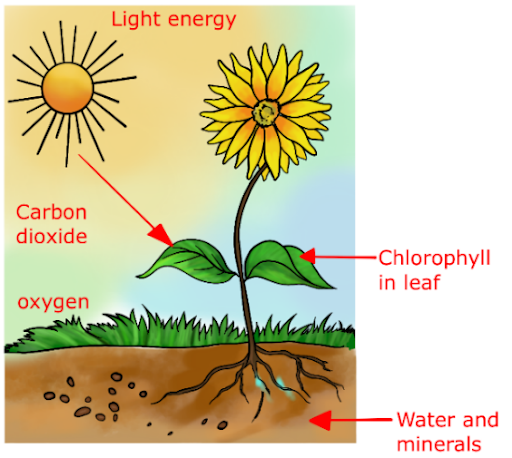
Sunlight is one of the most important factors when discussing what are the necessary conditions for autotrophic nutrition and what are its by products. It acts as the primary source of energy. The light energy absorbed by chlorophyll molecules is converted into chemical energy during photosynthesis.
In the absence of sunlight, the entire process stops. That is why plants kept in dark environments show stunted growth. Sunlight intensity also affects the rate of photosynthesis. Higher light intensity increases the rate up to a certain limit, after which other factors become limiting.
Sunlight is therefore not just a condition but the driving force behind autotrophic nutrition. It enables plants to sustain themselves and indirectly supports all living organisms on Earth.
Role of Chlorophyll and Carbon Dioxide
Chlorophyll is the pigment responsible for the green color of leaves. It plays a critical role in trapping light energy. When studying what are the necessary conditions for autotrophic nutrition and what are its by products, chlorophyll is always emphasized. Without it, plants would not be able to carry out photosynthesis.
Carbon dioxide is another essential raw material. It enters the leaf through tiny pores called stomata. Inside the leaf cells, carbon dioxide combines with water in the presence of sunlight and chlorophyll to produce glucose.
Both chlorophyll and carbon dioxide are indispensable for autotrophic nutrition. Their availability directly influences the efficiency of food production in plants.
Chemical Equation of Photosynthesis

To fully understand what are the necessary conditions for autotrophic nutrition and what are its by products, it is important to examine the chemical equation of photosynthesis:
Carbon dioxide + Water → Glucose + Oxygen
(In the presence of sunlight and chlorophyll)
This equation shows how inorganic substances are transformed into organic compounds. Glucose is the primary product, which plants use for energy and growth. Oxygen is released as a by-product into the atmosphere.
This simple equation represents a complex series of biochemical reactions occurring inside chloroplasts. It highlights how essential each condition is for successful autotrophic nutrition.
By-Products of Autotrophic Nutrition
When analyzing what are the necessary conditions for autotrophic nutrition and what are its by products, oxygen stands out as the most significant by-product. During photosynthesis, oxygen is released into the atmosphere through stomata.
This oxygen is crucial for the survival of aerobic organisms, including humans. Without it, respiration would not be possible. Transpiration may also release some water vapor in addition to oxygen.
The release of oxygen maintains atmospheric balance and supports life on Earth. Therefore, autotrophic nutrition sustains plants and ensures environmental stability.
Importance in Ecosystem Balance

Understanding what are the necessary conditions for autotrophic nutrition and what are its by products helps explain ecological balance. Plants act as primary producers in food chains. They convert solar energy into chemical energy, which is then passed to herbivores and carnivores.
The oxygen released during autotrophic nutrition supports respiration in animals and humans. Meanwhile, carbon dioxide produced during respiration is reused by plants. This cycle maintains atmospheric equilibrium.
Without autotrophic organisms, life on Earth would not be sustainable. Their role in maintaining oxygen levels and providing food makes them indispensable.
Factors Affecting Autotrophic Nutrition
Several environmental factors influence autotrophic nutrition. These include light intensity, temperature, water availability, and carbon dioxide concentration. When learning what are the necessary conditions for autotrophic nutrition and what are its by products, it is important to understand these influencing factors.
Temperature affects enzyme activity during photosynthesis. Excessive heat can slow down the process, while moderate warmth enhances it. Similarly, insufficient water reduces glucose production.
Balanced environmental conditions ensure efficient autotrophic nutrition. Any imbalance may disrupt plant growth and ecosystem stability.
Practical Applications and Experiments

In school laboratories, students perform experiments to demonstrate what are the necessary conditions for autotrophic nutrition and what are its by products. For example, covering part of a leaf with black paper and exposing it to sunlight shows that light is essential for starch formation.
Another experiment involves placing a plant in a carbon dioxide-free environment, which stops photosynthesis. These experiments confirm theoretical knowledge and provide practical understanding.
Such demonstrations highlight how each condition plays a vital role in autotrophic nutrition.
Conclusion
In conclusion, understanding what are the necessary conditions for autotrophic nutrition and what are its by products is fundamental in biology. Sunlight, chlorophyll, carbon dioxide, and water are essential requirements for photosynthesis. These conditions enable plants to produce glucose, which serves as their food source.
The most important by-product of this process is oxygen, which supports life on Earth. Autotrophic nutrition maintains ecological balance, sustains food chains, and regulates atmospheric gases. By studying this concept, students gain insight into how interconnected life systems are.
Read More:- Autotrophic Nutrition and Its Role in Life on Earth