

Introduction to the Concept of Self-Feeding Organisms
Autotrophic nutrition is one of the most fundamental biological processes that supports life on Earth. It refers to the mode of nutrition in which organisms prepare their food from simple inorganic substances like carbon dioxide and water using external energy sources. Autotrophs are self-sustaining and make up the base of the food chain. Animals and humans, on the other hand, need other organisms to get food.
Green plants, algae, and certain bacteria most commonly exhibit this nutritional process. Through autotrophic nutrition, these organisms convert light energy or chemical energy into food, which ultimately becomes the primary source of energy for almost all living beings. Life as we know it would not exist without this natural process, which provides food and oxygen. Understanding autotrophic nutrition helps students appreciate how energy flows through ecosystems and supports biodiversity across the planet.
Characteristics of Autotrophic Organisms
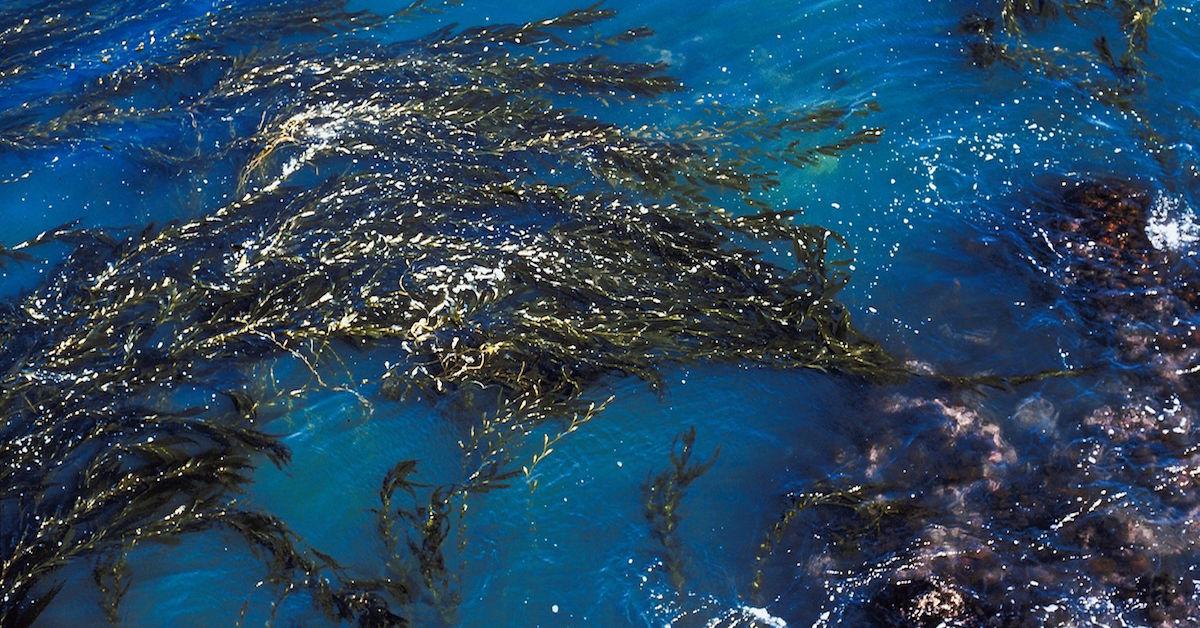
Organisms that follow autotrophic nutrition share certain unique characteristics that distinguish them from heterotrophs. They possess the ability to synthesize organic compounds from inorganic materials. Most autotrophs contain chlorophyll, a green pigment that captures sunlight and facilitates the process of photosynthesis.
Another important characteristic of autotrophic nutrition is the requirement of basic raw materials such as sunlight, water, carbon dioxide, and minerals. These elements are easily available in nature, making autotrophs largely independent. Because they produce their own food, these organisms serve as producers in the ecological food chain.
Autotrophs not only sustain themselves but also support herbivores and carnivores indirectly. Their capacity to store energy in the form of carbohydrates ensures the continuous flow of nutrients through various trophic levels in an ecosystem.
Types of Autotrophic Nutrition
Autotrophic nutrition is mainly classified into two types based on the source of energy used for food production: photoautotrophic nutrition and chemoautotrophic nutrition.
Photoautotrophic nutrition is the most common type and occurs in green plants, algae, and cyanobacteria. In this process, sunlight acts as the primary energy source. Through photosynthesis, these organisms convert carbon dioxide and water into glucose and oxygen.
Chemoautotrophic nutrition, on the other hand, is observed in certain bacteria that obtain energy from chemical reactions. Instead of sunlight, they use chemical compounds such as ammonia, hydrogen sulfide, or iron to synthesize food. Both forms of autotrophic nutrition are essential for maintaining ecological balance, although photosynthesis is the most widespread and impactful process globally.
The Process of Photosynthesis
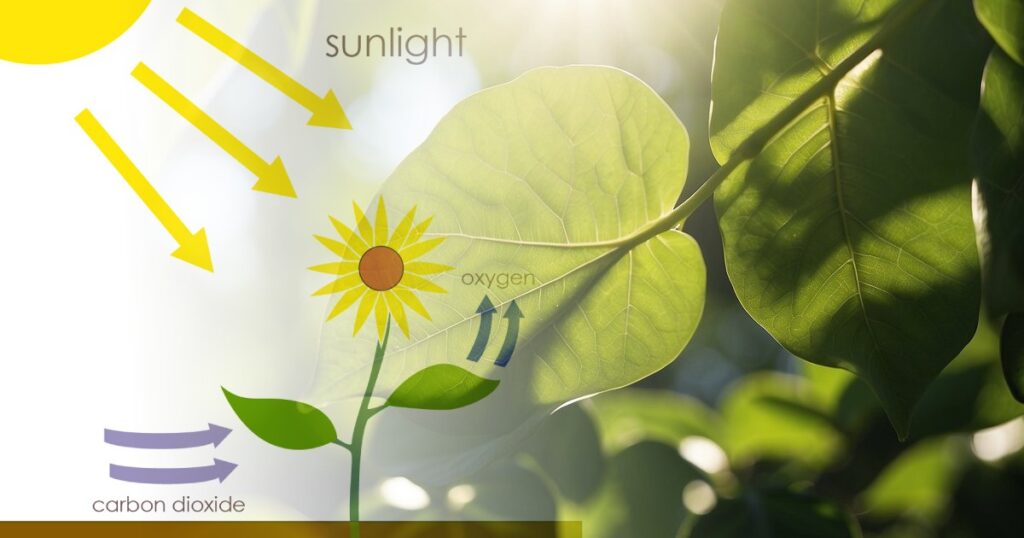
The most well-known example of autotrophic nutrition is photosynthesis. This process takes place mainly in the leaves of green plants within specialized structures called chloroplasts. Chlorophyll captures sunlight and initiates a series of chemical reactions.
The simplified equation for photosynthesis is:
Carbon dioxide + Water + Sunlight → Glucose + Oxygen
During autotrophic nutrition, plants absorb carbon dioxide from the atmosphere through small pores called stomata. Water is absorbed from the soil by roots and transported to leaves. Sunlight provides the energy required to convert these raw materials into glucose, which serves as food for the plant. Oxygen is released as a by-product, which is essential for the survival of animals and humans.
This remarkable process supports nearly all life forms on Earth.
Role in the Food Chain
Autotrophic nutrition forms the foundation of the food chain. Autotrophs are known as producers because they manufacture food that supports all other organisms. Herbivores consume plants, carnivores consume herbivores, and omnivores may consume both.
Without autotrophic nutrition, energy would not enter the biological system. Plants convert solar energy into chemical energy stored in glucose. This stored energy is transferred from one organism to another through feeding relationships.
The efficiency of energy transfer depends heavily on the productivity of autotrophs. Forests, grasslands, and aquatic ecosystems rely on this process to maintain balance. Therefore, autotrophic nutrition not only benefits individual organisms but also ensures stability and sustainability in ecosystems worldwide.
Differences Between Autotrophic and Heterotrophic Nutrition

Understanding autotrophic nutrition becomes clearer when compared to heterotrophic nutrition. Autotrophs produce their own food, whereas heterotrophs depend on other organisms for nutrition.
For example, plants exhibit autotrophic nutrition because they synthesize glucose from simple substances. Animals and humans exhibit heterotrophic nutrition because they consume plants or other animals.
Another difference lies in ecological roles. Autotrophs are producers, while heterotrophs are consumers. This distinction is crucial in ecological studies and helps scientists understand how energy circulates within ecosystems.
Both nutritional modes are interdependent, but autotrophic nutrition remains the starting point of all biological energy systems.
Chemical Equation Table
| Component | Role in Autotrophic Nutrition |
|---|---|
| Carbon Dioxide | Source of carbon |
| Water | Provides hydrogen |
| Sunlight | Energy source |
| Chlorophyll | Traps light energy |
| Glucose | Final food product |
| Oxygen | By-product released |
This table summarizes the essential components involved in autotrophic nutrition and their specific roles.
Importance in Environmental Balance
Autotrophic nutrition plays a significant role in maintaining atmospheric balance. During photosynthesis, plants absorb carbon dioxide and release oxygen. This exchange helps regulate the composition of gases in the atmosphere.
Increased levels of carbon dioxide can lead to global warming, but autotrophs help reduce this impact by utilizing carbon dioxide during food synthesis. Forests, often called the lungs of the Earth, rely on autotrophic nutrition to support environmental stability.
Moreover, aquatic autotrophs like algae contribute to oxygen production in oceans and freshwater bodies. This process ensures marine organisms’ survival. The environmental importance of autotrophic nutrition highlights why conservation of green plants is essential for planetary health.
Examples of Autotrophic Organisms
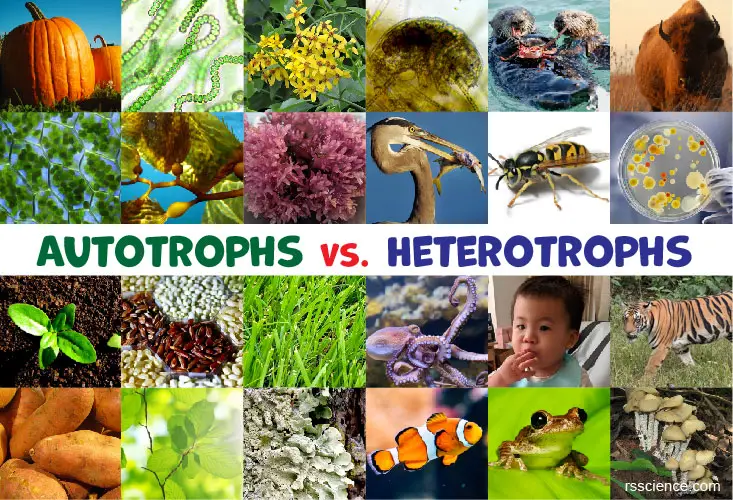
There are several examples of organisms that follow autotrophic nutrition. Green plants such as trees, shrubs, and grasses are the most visible examples. Algae found in ponds and oceans also perform photosynthesis.
Certain bacteria like Nitrosomonas and Nitrobacter exhibit chemoautotrophic nutrition. These microorganisms derive energy from chemical reactions rather than sunlight.
Each of these organisms contributes uniquely to ecosystems. While plants dominate terrestrial environments, algae and bacteria play crucial roles in aquatic and soil ecosystems. Together, they demonstrate the diversity and adaptability of autotrophic nutrition across different habitats.
Factors Affecting Autotrophic Nutrition
Several environmental factors influence the efficiency of autotrophic nutrition. Light intensity directly impacts the rate of photosynthesis. Insufficient sunlight reduces food production in plants.
Water availability is another critical factor. Drought conditions limit photosynthesis and affect plant growth. Temperature also plays a significant role, as extremely high or low temperatures can slow down enzymatic reactions involved in food synthesis.
Carbon dioxide concentration determines how efficiently plants can produce glucose. Balanced environmental conditions ensure optimal autotrophic nutrition and healthy plant development.
Frequently Asked Questions
1. What is autotrophic nutrition in simple words?
Autotrophic nutrition is a process by which organisms make their own food using sunlight or chemical energy.
2. Which organisms show autotrophic nutrition?
Green plants, algae, and some bacteria follow autotrophic nutrition.
3. Why is autotrophic nutrition important?
It forms the base of the food chain and supplies oxygen to the atmosphere.
4. What is the main difference between autotrophic and heterotrophic nutrition?
Autotrophs make their own food, while heterotrophs depend on others for food.
5. Does autotrophic nutrition only occur in plants?
No, some bacteria also perform autotrophic nutrition through chemical reactions.
Conclusion
Autotrophic nutrition is a life-sustaining biological process that enables certain organisms to produce their own food from inorganic substances. By converting solar or chemical energy into usable nutrients, autotrophs act as primary producers in ecosystems. This process not only supports plant growth but also maintains oxygen levels and regulates atmospheric balance.
From forests to oceans, autotrophic nutrition ensures the continuous flow of energy across living systems. Its ecological, environmental, and biological importance cannot be overstated. Understanding this concept allows students and readers to appreciate the interconnectedness of life and the essential role played by green plants and microorganisms in sustaining our planet.
Read More:- Understanding Autotrophic Nutrition in Living Organisms