

Introduction to Nutrition in Biology
Nutrition is one of the most essential life processes in all living organisms. It provides the energy and raw materials required for growth, repair, reproduction, and maintenance of life. Every organism, whether plant, animal, or microorganism, depends on a specific mode of nutrition to survive. Broadly, nutrition is divided into autotrophic and heterotrophic modes. Understanding what is autotrophic nutrition helps explain how plants and certain microorganisms produce their own food without depending on other organisms.
In ecosystems, nutrition forms the base of the food chain. Without producers that can prepare their own food, life on Earth would not exist as it does today. The study of what is autotrophic nutrition is fundamental in biology because it explains how energy from the sun enters the living world and supports all forms of life directly or indirectly.
What Is Autotrophic Nutrition?

To understand what is autotrophic nutrition, we must break down the term. The word “auto” means self, and “trophic” refers to nourishment. Therefore, autotrophic nutrition is a mode of nutrition in which organisms prepare their own food from simple inorganic substances like carbon dioxide and water using energy from sunlight or chemical reactions.
Organisms that follow this method are known as autotrophs. Green plants are the most common examples, but certain bacteria and algae also exhibit this type of nutrition. When learning what is autotrophic nutrition, it is important to note that these organisms are independent producers. They do not rely on other organisms for their food supply. Instead, they convert simple materials into complex organic compounds that serve as food.
Types of Autotrophic Nutrition
Understanding what is autotrophic nutrition also involves knowing its types. There are mainly two types:
-
Photosynthetic autotrophic nutrition
-
Chemosynthetic autotrophic nutrition
Photosynthetic nutrition occurs when organisms use sunlight to produce food. Green plants, algae, and cyanobacteria perform photosynthesis using chlorophyll. Chemosynthetic nutrition, on the other hand, occurs in certain bacteria that use chemical energy instead of sunlight to synthesize food.
Both types clearly demonstrate what is autotrophic nutrition because in both cases, organisms create their own nourishment. The energy source may differ, but the fundamental concept remains the same: self-production of food.
Process of Photosynthesis
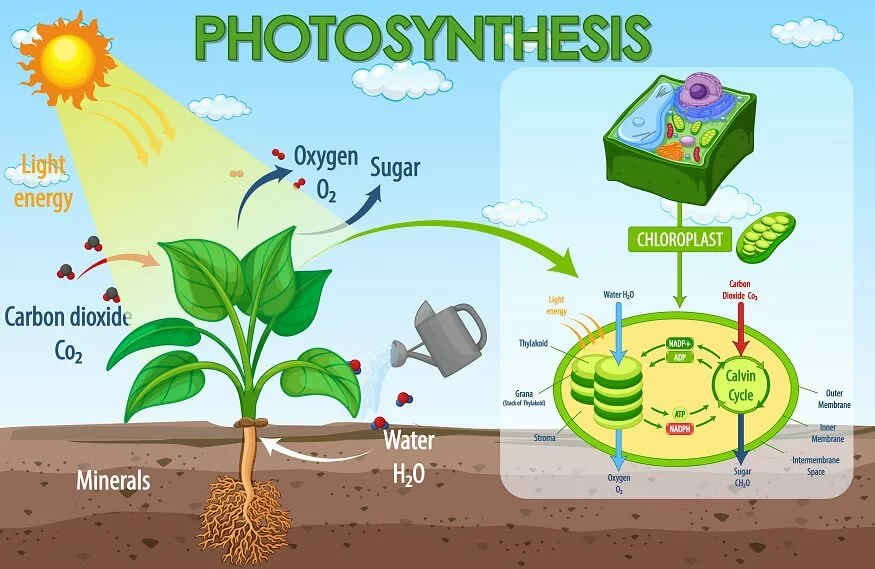
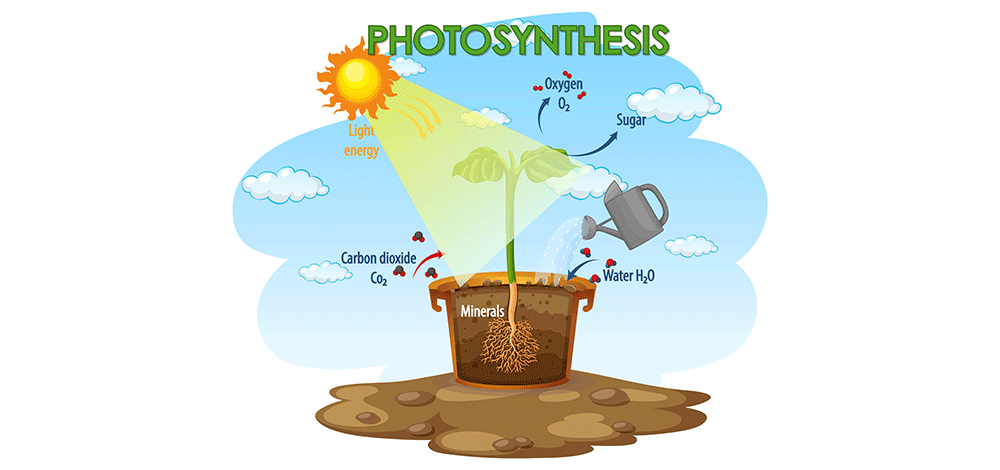
The most common example when explaining what is autotrophic nutrition is photosynthesis. This process occurs mainly in the leaves of green plants. Chlorophyll, the green pigment present in chloroplasts, captures sunlight. The plant absorbs carbon dioxide from the air through tiny pores called stomata and water from the soil through roots.
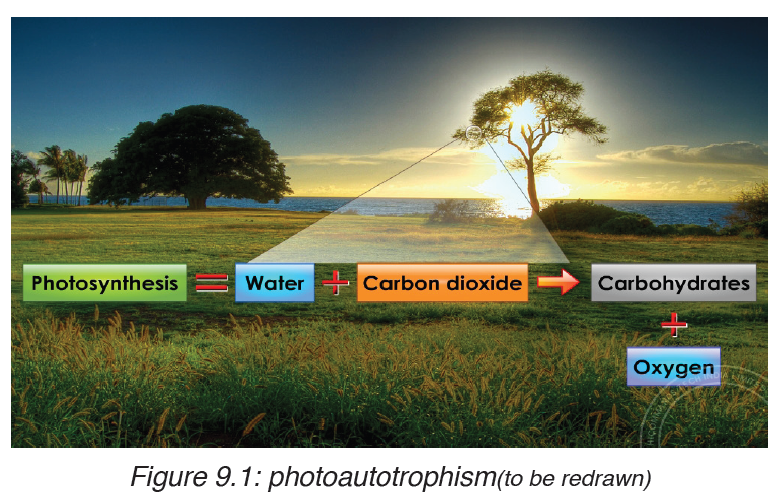
Using sunlight energy, plants convert carbon dioxide and water into glucose and oxygen. The simplified chemical equation is:
Carbon dioxide + Water → Glucose + Oxygen (in presence of sunlight and chlorophyll)
This process highlights what is autotrophic nutrition because the plant manufactures its own food without external organic sources. Oxygen released during photosynthesis is essential for the survival of most living organisms on Earth.
Chemosynthesis Explained
While photosynthesis is widely known, chemosynthesis also helps clarify what is autotrophic nutrition. Chemosynthetic bacteria do not depend on sunlight. Instead, they derive energy from the oxidation of inorganic substances like ammonia, hydrogen sulfide, or iron compounds.
These bacteria are often found in extreme environments such as deep-sea vents, hot springs, and underground caves. They use chemical reactions to convert inorganic molecules into organic compounds. This method also fits the definition of what is autotrophic nutrition because the organism synthesizes its own food using non-living materials.
Chemosynthesis plays a crucial ecological role in areas where sunlight cannot reach, proving that life can exist even in extreme conditions.
Importance in the Ecosystem

Learning what is autotrophic nutrition is essential to understanding ecosystems. Autotrophs form the base of the food chain and are known as producers. All heterotrophic organisms, including humans, depend directly or indirectly on autotrophs for food.
Plants convert solar energy into chemical energy stored in glucose. Herbivores eat plants, carnivores eat herbivores, and omnivores consume both. This entire food web begins with organisms that follow autotrophic nutrition. Without them, energy would not flow through ecosystems.
In addition to food production, autotrophs maintain atmospheric balance by absorbing carbon dioxide and releasing oxygen. This process supports respiration in animals and helps regulate Earth’s climate.
Differences Between Autotrophic and Heterotrophic Nutrition
To better understand what is autotrophic nutrition, it is helpful to compare it with heterotrophic nutrition.
| Feature | Autotrophic Nutrition | Heterotrophic Nutrition |
|---|---|---|
| Food Source | Self-prepared | Depends on others |
| Energy Source | Sunlight or chemicals | Organic food |
| Examples | Plants, algae, bacteria | Animals, fungi |
| Role | Producers | Consumers |
This comparison clearly shows how autotrophic organisms differ from heterotrophic ones in terms of food production and ecological role.
Examples of Autotrophic Organisms
When discussing what is autotrophic nutrition, examples make the concept clearer. Some common autotrophs include:
-
Green plants such as grass, trees, and crops
-
Algae found in water bodies
-
Cyanobacteria
-
Nitrosomonas and Nitrobacter bacteria
These organisms sustain life by producing organic matter. Forests, grasslands, and aquatic ecosystems depend heavily on these producers. Even microscopic phytoplankton in oceans perform autotrophic nutrition, contributing significantly to global oxygen production.
Advantages of Autotrophic Nutrition
Understanding what is autotrophic nutrition also involves recognizing its benefits. Autotrophs are self-sufficient and do not compete for organic food. They help maintain ecological balance and ensure continuous energy flow.
This nutrition type also reduces dependency on other organisms for survival. In agricultural systems, crops that perform autotrophic nutrition convert sunlight into food that feeds billions of people worldwide. The process is sustainable as long as sunlight, water, and carbon dioxide are available.
Factors Affecting Autotrophic Nutrition
Several factors influence the efficiency of autotrophic nutrition. These include:
-
Availability of sunlight
-
Carbon dioxide concentration
-
Water supply
-
Temperature
-
Presence of chlorophyll
If any of these factors are limited, the rate of food production decreases. For example, low sunlight reduces photosynthesis, affecting plant growth. Therefore, environmental conditions play a vital role in supporting autotrophic organisms.
Role in Environmental Balance
Another reason why studying what is autotrophic nutrition is important lies in environmental conservation. Plants absorb carbon dioxide, a greenhouse gas, and help reduce global warming. Large forests act as carbon sinks, storing excess carbon and preventing climate imbalance.
Autotrophs also prevent soil erosion by stabilizing the ground with roots. Aquatic autotrophs maintain water ecosystems by providing oxygen and food. Thus, their role extends beyond food production to maintaining environmental health.
Conclusion
In conclusion, understanding what is autotrophic nutrition is essential for grasping the basics of biology and ecology. It refers to the process by which organisms prepare their own food using inorganic substances and energy from sunlight or chemicals. Green plants, algae, and certain bacteria are prime examples of autotrophs that sustain life on Earth.
Autotrophic nutrition forms the foundation of all food chains and supports ecological balance. Through photosynthesis and chemosynthesis, autotrophs convert simple materials into energy-rich compounds that nourish other living beings. Without this remarkable process, life as we know it would not be possible. By appreciating the importance of autotrophic nutrition, we gain deeper insight into the interconnectedness of living organisms and the environment.
Read More:- Understanding the Concept of Nutrition in Living Organisms