

Introduction to Modes of Nutrition
Nutrition is one of the most essential life processes that enables living organisms to survive, grow, and reproduce. Every organism requires energy and nutrients to carry out daily biological activities. The way organisms obtain their food determines their mode of nutrition. In biology, scientists classify nutrition mainly into two categories: autotrophic nutrition and heterotrophic nutrition. Students often ask what are the difference between autotrophic nutrition and heterotrophic nutrition because these two processes form the foundation of food chains and ecosystems. Understanding these nutritional modes helps explain how plants, animals, and microorganisms maintain life. It also clarifies how energy flows from one organism to another. By studying these concepts carefully, learners can better understand ecological balance and biological interdependence in nature.
What Is Autotrophic Nutrition?
Autotrophic nutrition is a mode of nutrition in which organisms prepare their own food using simple inorganic substances like carbon dioxide and water. These organisms use energy from sunlight or chemical reactions to produce glucose and other organic compounds. Green plants are the most common examples of autotrophs because they perform photosynthesis. In this process, chlorophyll captures sunlight and converts it into chemical energy.
Autotrophic organisms are often called producers because they form the base of the food chain. Without them, life on Earth would not be possible. When learning what are the difference between autotrophic nutrition and heterotrophic nutrition, it is important to remember that autotrophs do not depend on other organisms for food. Instead, they manufacture their own nutrients, making them self-sufficient in terms of energy production.
Types of Autotrophic Nutrition
Autotrophic nutrition can be further divided into two main types: photosynthetic and chemosynthetic nutrition. Photosynthetic nutrition occurs in green plants, algae, and some bacteria that use sunlight to synthesize food. Chemosynthetic nutrition occurs in certain bacteria that use energy from chemical reactions instead of sunlight.
Photosynthesis is the most common type and involves chlorophyll, sunlight, water, and carbon dioxide. Chemosynthesis, on the other hand, is observed in deep-sea bacteria that survive without sunlight. Understanding these types helps clarify what are the difference between autotrophic nutrition and heterotrophic nutrition because autotrophs rely on natural energy sources rather than consuming organic matter.
What Is Heterotrophic Nutrition?
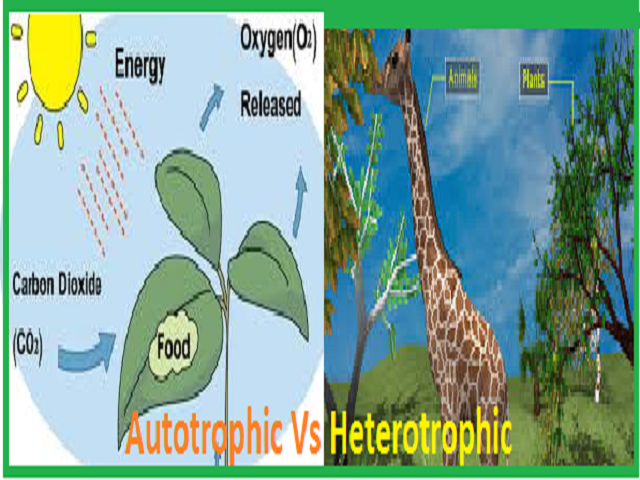
Heterotrophic nutrition is a mode of nutrition in which organisms depend on other organisms for food. They cannot produce their own food and must consume plants or animals to obtain energy. Animals, fungi, and most bacteria fall under this category.
Heterotrophs are known as consumers because they rely on producers or other consumers for nourishment. When studying what are the difference between autotrophic nutrition and heterotrophic nutrition, one major distinction is dependency. Unlike autotrophs, heterotrophs must ingest or absorb ready-made organic substances. This reliance forms the basis of food chains and ecological relationships in nature.
Types of Heterotrophic Nutrition
Heterotrophic nutrition can be classified into three main types: holozoic, saprophytic, and parasitic nutrition. Holozoic nutrition involves ingestion, digestion, absorption, assimilation, and egestion. Humans and animals follow this method.
Saprophytic nutrition is observed in fungi and certain bacteria that feed on dead and decaying matter. Parasitic nutrition occurs when one organism lives inside or on another organism and derives nutrients at the host’s expense. These classifications provide deeper insight into what are the difference between autotrophic nutrition and heterotrophic nutrition because heterotrophs obtain energy through various feeding strategies rather than producing it internally.
Photo Illustration: Photosynthesis Process
This image visually explains how plants prepare food through photosynthesis, demonstrating autotrophic nutrition.
Photo Illustration: Food Chain Example
This image represents how heterotrophic organisms depend on producers and other consumers for survival.
Key Differences Between Autotrophic and Heterotrophic Nutrition
Understanding what are the difference between autotrophic nutrition and heterotrophic nutrition becomes easier with a clear comparison.
| Basis of Comparison | Autotrophic Nutrition | Heterotrophic Nutrition |
|---|---|---|
| Definition | Organisms make their own food | Organisms depend on others for food |
| Dependency | Independent | Dependent |
| Examples | Green plants, algae | Animals, fungi |
| Energy Source | Sunlight or chemicals | Organic food |
| Role in Food Chain | Producers | Consumers |
This table highlights the fundamental differences between these two nutritional modes.
Energy Flow in Ecosystems
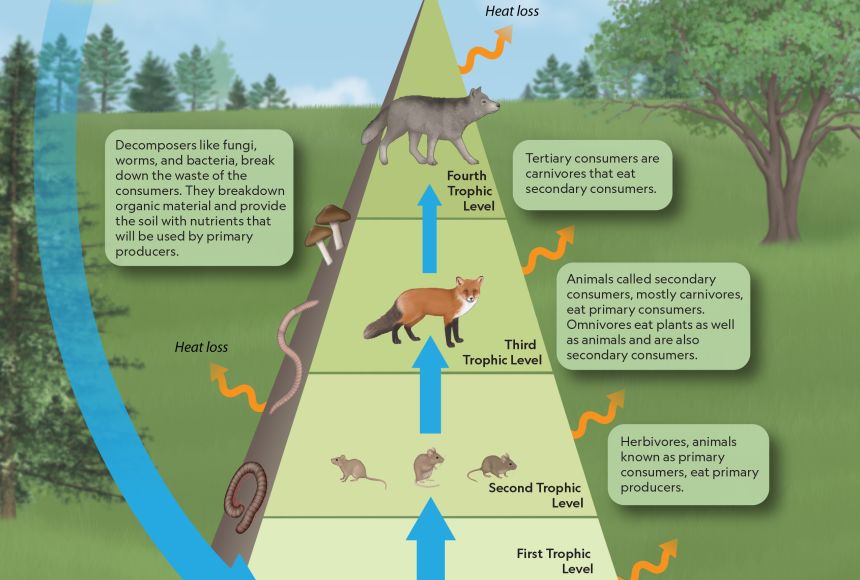
Energy flow in ecosystems begins with autotrophic organisms. Through photosynthesis, they convert solar energy into chemical energy stored in food. This energy is then transferred to heterotrophic organisms when they consume plants or other animals.
When examining what are the difference between autotrophic nutrition and heterotrophic nutrition, the concept of energy transfer becomes crucial. Autotrophs introduce energy into the ecosystem, while heterotrophs pass it along the food chain. Without autotrophs, heterotrophs would have no source of energy. This interdependence ensures ecological balance and sustainability.
Importance in Ecological Balance
Autotrophic and heterotrophic nutrition together maintain environmental stability. Plants regulate atmospheric gases by absorbing carbon dioxide and releasing oxygen. Heterotrophs help control population levels and contribute to nutrient recycling.
If either group were absent, ecosystems would collapse. Therefore, understanding what are the difference between autotrophic nutrition and heterotrophic nutrition is essential for appreciating biodiversity and environmental conservation. Both nutritional strategies are equally important in maintaining life processes and supporting global ecosystems.
Similarities Between Both Modes
Although different, both autotrophic and heterotrophic nutrition aim to provide energy for survival. Both involve biochemical processes that convert substances into usable energy. Additionally, both contribute to nutrient cycles in nature.
Recognizing similarities along with differences provides a balanced perspective on what are the difference between autotrophic nutrition and heterotrophic nutrition. Both processes are interconnected and essential for sustaining life.
Frequently Asked Questions (FAQs)
1. What are the difference between autotrophic nutrition and heterotrophic nutrition in simple terms?
Autotrophs make their own food, while heterotrophs depend on others for food.
2. Are humans autotrophs or heterotrophs?
Humans are heterotrophs because they cannot produce their own food.
3. Why are plants called producers?
Plants prepare their own food through photosynthesis, forming the base of the food chain.
4. Can an organism be both autotrophic and heterotrophic?
Some organisms show mixed nutrition, but generally they are classified into one main category.
5. Why is this topic important in biology?
It explains energy flow, ecological balance, and survival strategies in nature.
Conclusion
In conclusion, understanding what the differences are between autotrophic nutrition and heterotrophic nutrition is fundamental in biology. Autotrophic organisms prepare their food using natural energy sources, while heterotrophic organisms rely on consuming other organisms. These two nutritional modes form the backbone of ecosystems and ensure the continuous flow of energy.
Autotrophs act as producers, introducing energy into the environment, whereas heterotrophs function as consumers that depend on this energy. Together, they maintain ecological balance and sustain life on Earth. By learning these differences clearly, students gain deeper insight into biological systems and environmental sustainability.
Read More:- Understanding How Organisms Make Their Own Food